Follow us on-


When you hear the words “root canal,” it’s easy to feel a little nervous. For years, this treatment has been surrounded by myths that make it seem more intimidating than it really is. In reality, modern root canal treatment is a safe, comfortable, and highly effective way to save a damaged or infected tooth that might otherwise need to be removed.
At Dr. Dana A. Weinreich, DDS Family & Cosmetic Dentistry, we believe that preserving your natural teeth is one of the best ways to protect your long-term oral health. Our patient-focused approach combines advanced technology with compassionate care to make every visit as comfortable and stress-free as possible.
Keeping your natural teeth is always the preferred option whenever possible. A healthy natural tooth allows you to chew comfortably, speak clearly, and maintain proper alignment of your smile. That’s why many dentists recommend treating an infected tooth instead of extracting it.
If you’re experiencing persistent tooth pain, sensitivity, or swelling, don’t wait for the problem to worsen. Contact us today to schedule an evaluation and learn how root canal treatment can help save your natural tooth and restore your healthy smile.
Why Saving Your Natural Tooth Matters
Your natural teeth are designed to work together. Each tooth helps distribute the pressure of biting and chewing while supporting neighbouring teeth.
When a tooth is removed without replacement, several problems can develop over time, including:
- Teeth shifting into the empty space
- Bite alignment problems
- Difficulty chewing certain foods
- Additional stress on surrounding teeth
- Gradual jawbone changes
Saving the natural tooth helps preserve your smile and often avoids more extensive dental procedures later.
What Causes a Tooth to Need Root Canal Treatment?
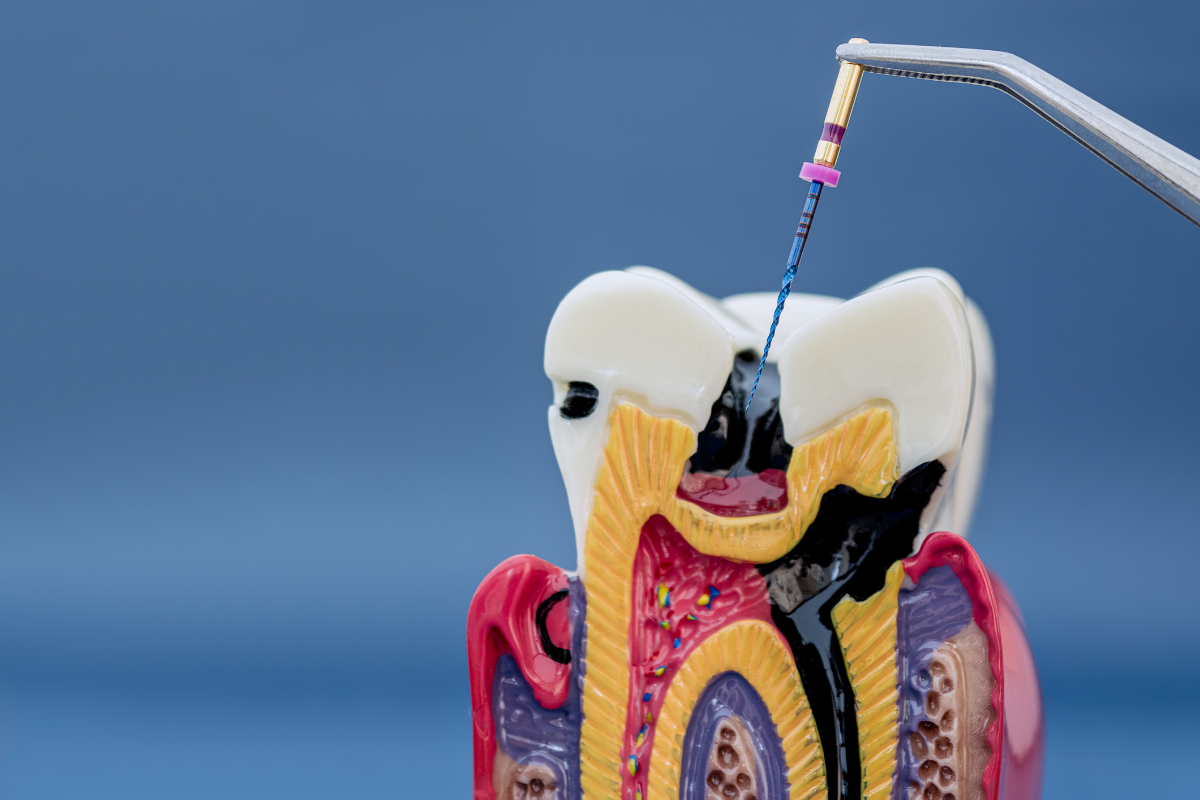
Inside every tooth is a soft tissue called the dental pulp. This contains nerves and blood vessels that keep the tooth healthy while it develops.
The pulp may become infected due to:
- Deep tooth decay
- A cracked or fractured tooth
- Repeated dental procedures on the same tooth
- Trauma or injury
- Untreated cavities
Once bacteria reach the pulp, the infection will not heal on its own. Without treatment, it can spread further, leading to severe pain and possible tooth loss.
For patients looking for root canal therapy in Fountain Hills, choosing early treatment can make all the difference in preserving a natural smile.
Signs You May Need Treatment
Not every infected tooth causes immediate pain, but common warning signs include:
- Persistent toothache
- Pain when chewing
- Sensitivity to hot or cold that lingers
- Swollen or tender gums
- A small bump on the gums
- Tooth discolouration
- Facial swelling in severe cases
If you notice any of these symptoms, scheduling an examination promptly can improve the chances of saving your tooth.
How Root Canal Treatment Saves Your Tooth
Many people imagine that a root canal removes the entire tooth. In fact, the opposite is true.
The procedure removes only the infected pulp while preserving the healthy outer structure of the tooth.
The treatment generally includes the following steps:
1. Thorough Examination
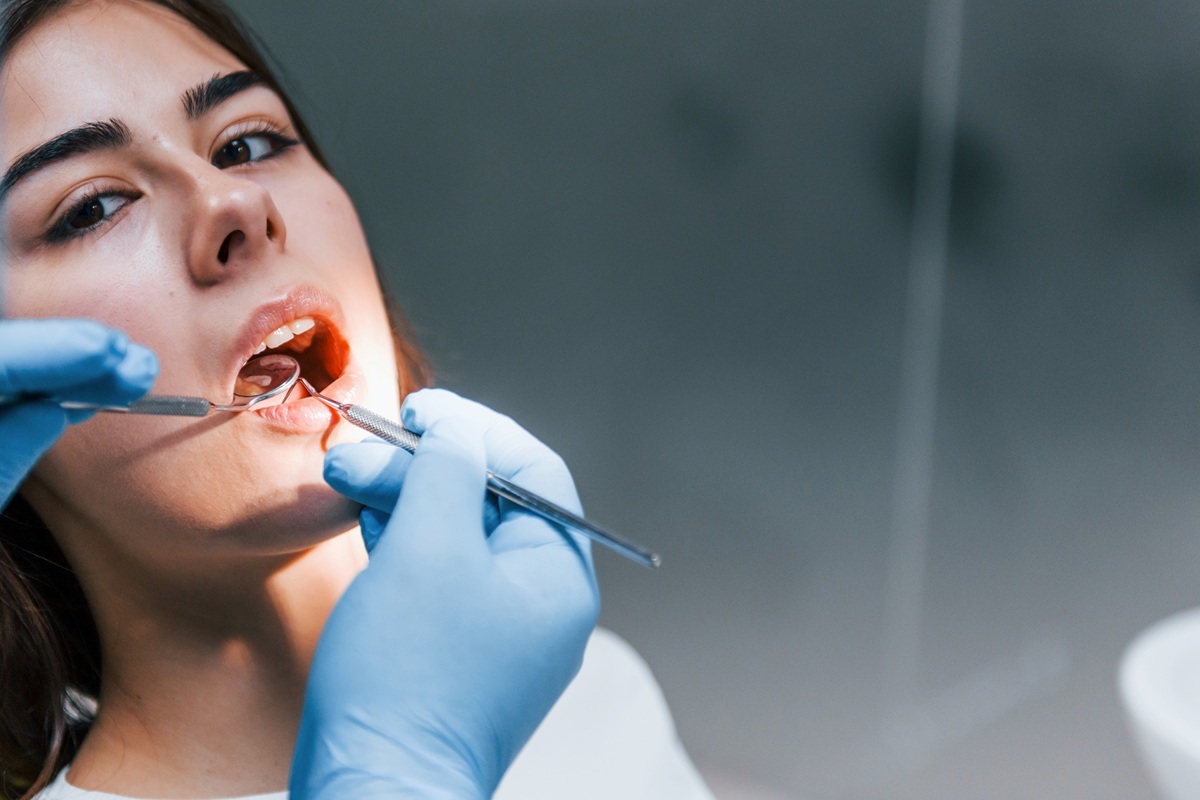
Your dentist performs a clinical examination and digital X-rays to determine the extent of the infection and create a personalised treatment plan.
2. Comfortable Local Anaesthetic
The area is completely numbed before treatment begins. Most patients report that the procedure feels similar to having a routine filling.
3. Removing the Infection
A small opening is made in the tooth to carefully remove the infected pulp and bacteria from the root canals.
4. Cleaning and Disinfecting
The canals are thoroughly cleaned, shaped, and disinfected to eliminate remaining bacteria.
5. Sealing the Tooth
The cleaned canals are filled with a specialised material that helps prevent future infection.
6. Restoring Strength
In many cases, a custom dental crown is placed over the treated tooth to restore its strength, appearance, and normal function. Once restored, the tooth can often last for many years with proper care.
Benefits of Keeping Your Natural Tooth
Choosing treatment instead of extraction offers several long-term advantages.
Better Chewing Ability
Your natural tooth continues to function normally, allowing you to enjoy your favourite foods comfortably.
Natural Appearance
The restored tooth blends seamlessly with the rest of your smile.
Preserves Jaw Health
Keeping the natural tooth helps maintain normal stimulation of the surrounding bone and supports overall oral function.
Prevents Teeth from Shifting
Neighbouring teeth remain properly positioned, reducing the risk of future orthodontic or bite problems.
Cost-Effective Long-Term Solution
Saving a tooth can often be more economical than removing it and replacing it with a bridge or dental implant.
Is Root Canal Treatment Painful?
This is one of the most common questions patients ask.
Thanks to modern dental techniques, advanced equipment, and effective local anaesthesia, most patients experience little discomfort during the procedure. In fact, root canal treatment is designed to relieve the pain caused by an infected tooth—not create it.
Some mild soreness afterwards is normal and usually improves within a few days.
Caring for Your Tooth After Treatment
After your procedure, you can help protect your restored tooth by:
- Brushing twice daily with fluoride toothpaste
- Flossing every day
- Avoiding chewing hard foods until the permanent restoration is placed
- Attending regular dental check-ups
- Wearing a nightguard if you grind your teeth
With proper care, a treated tooth can remain healthy and functional for many years.
When Should You See a Dentist?
Don’t wait until the pain becomes unbearable.
Schedule an appointment if you experience:
- Tooth pain lasting more than two days
- Swollen gums
- Pain while chewing
- Persistent sensitivity
- A cracked or broken tooth
- Facial swelling
Early treatment usually leads to simpler procedures and better outcomes.
Protect Your Smile Before It’s Too Late
Ignoring an infected tooth can lead to worsening pain, abscess formation, and even tooth loss. Modern root canal treatment offers a predictable way to eliminate infection while preserving your natural tooth and restoring comfortable function.
At Dr. Dana A. Weinreich, DDS Family & Cosmetic Dentistry, we are committed to providing compassionate, patient-focused care using modern techniques that prioritise your comfort. If you’re experiencing tooth pain or believe you may need treatment, contact our team today to schedule a comprehensive evaluation. Early care can help save your natural tooth and keep your smile healthy for years to come.
Frequently Asked Questions
How long does a root canal take?
Most treatments can be completed in one or two appointments, depending on the complexity of the tooth.
Will I need a crown afterwards?
Many back teeth benefit from a dental crown because it restores strength and protects the tooth from future fractures.
Can a root canal fail?
Although success rates are very high, reinfection is possible if bacteria enter the tooth again. Regular dental visits help monitor your restored tooth.
Is extracting the tooth a better option?
Whenever possible, preserving your natural tooth is generally the preferred choice because it maintains normal function and helps protect surrounding teeth.
How long will a treated tooth last?
With excellent oral hygiene and routine dental care, many treated teeth remain healthy for decades.