Follow us on-


Support Healing and Protect Your Gums
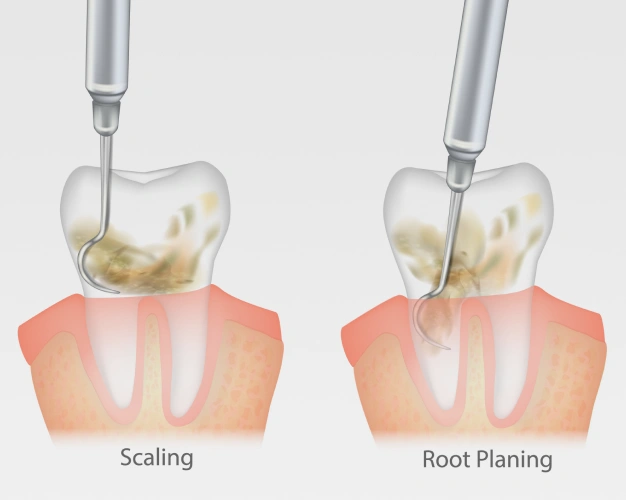
Scaling and root planing is a deep cleaning procedure that removes plaque and tartar from below the gumline. This helps reduce infection and allows your gums to heal and reattach to your teeth. Following the right care steps after your visit plays an important role in how well and how quickly your gums recover. Taking a little extra care during the first few days can also help minimize sensitivity and prevent future gum issues.
Below are easy-to-follow instructions to help you stay comfortable and protect your results after treatment. These simple habits not only support healing now but also help maintain healthier gums in the long run.
What to Expect After Treatment
After your deep cleaning, it’s common to experience:
- Mild soreness or tenderness
- Slight bleeding
- Gum sensitivity
- Temporary discomfort while eating
These symptoms usually improve within a few days as your gums heal.
First 24 Hours: What to Avoid
There are certain steps you should follow to help minimize irritation and reduce the risk of bleeding. To support optimal healing, avoid the following during the first 24 hours:
- Hot foods and drinks: Wait until the numbness wears off to prevent burns.
- Foods that can irritate or get stuck: Avoid seeds, nuts, rice, and popcorn.
- Very hot, cold, or spicy foods to prevent irritation.
- Using drinking straws: This may create suction that disrupts healing.
- Vigorous physical activity: Limit physical exertion for the first day.
- Smoking and alcohol: These can interfere with healing—avoid for at least 48 hours.
What You Should Do
To ensure comfort and proper healing:
- Take Pain Relief as Needed: Over-the-counter medications like Advil or Tylenol can help manage discomfort.
- Eat Soft Foods: For the first few days, stick to soft foods that are easy on your gums.
- Chew on the Opposite Side: This will reduce strain on the treated area while it heals.
- Rinse with Salt Water: Use a mixture of 1 teaspoon of salt in 8 oz of warm water up to 3 times a day to soothe your gums and promote healing.
Brushing and Flossing Instructions
Maintaining cleanliness is essential, but always be gentle during the first few days:
- Brushing: You can gently brush the same day or the next day. Be careful around the treated area and avoid brushing directly over any sensitive or surgical sites initially.
- Flossing: Floss lightly until the soreness improves, then return to your normal routine. Gentle care is important to prevent irritation.
Infection and Medications
In most cases, healing proceeds smoothly. However, your dentist may prescribe antibiotics if needed:
- Take all medications exactly as prescribed and finish the full course of antibiotics.
- Birth Control Warning: Antibiotics may reduce the effectiveness of birth control pills. Consider using an additional form of protection during this time.
Sutures (If Placed)
If sutures were used to aid in healing:
- Dissolvable Sutures typically fall out within 2–7 days.
- Non-Dissolvable Sutures will need to be removed, typically within 7–10 days.
Your dentist will let you know if sutures were placed and when to return for removal.
Additional Care Tips
To support your healing process:
- Rinse gently: Avoid swishing aggressively to prevent irritation.
- Avoid forceful spitting: Gentle actions are best to prevent complications.
- Medication Drowsiness: Do not operate heavy machinery or drive if you feel drowsy from any prescribed medications.
Warning Signs to Watch For
Contact our office if you notice any of the following, as these could be signs of complications that need prompt attention:
- Bleeding that doesn’t stop after 60 minutes of pressure.
- Pain that’s not controlled by medication.
- Persistent nausea or vomiting.
- Swelling that worsens after 72 hours.
- Difficulty swallowing or swelling near the eye area.
- A strong, unpleasant taste that doesn’t go away.
- Fever over 101°F.
Have Questions or Concerns?
If you have any discomfort or notice anything unusual, don’t wait to reach out. Early care can make a big difference in your recovery and help prevent minor issues from becoming bigger concerns. Our team is here to guide you and make sure your healing process stays on track. We’re happy to answer your questions, adjust your treatment if needed, and help you feel more comfortable every step of the way. Your comfort and long-term oral health are always our priority.