Follow us on-


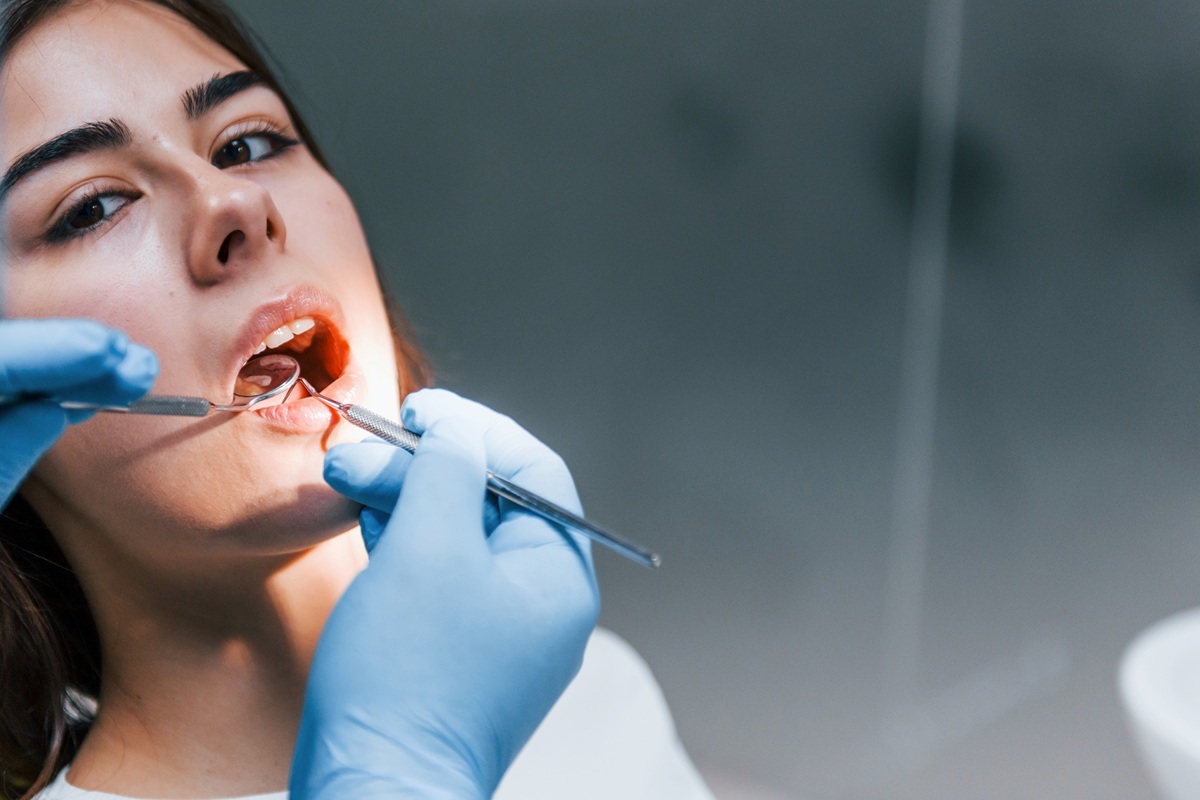
If your dentist just told you that you need a root canal, one of your first questions is probably simple: how many visits will this take? Some patients finish in a single sitting. Others need to come back a second or even third time before the tooth is fully sealed and restored. Neither path is wrong. The number of appointments depends on what your tooth looks like on the inside, not how “bad” your case is compared to someone else’s. For anyone searching for root canal therapy fountain hills, understanding why treatment timelines differ can take a lot of the mystery, and the worry, out of the process.
At Dr. Dana A. Weinreich, DDS Family & Cosmetic Dentistry, our team walks every patient through exactly what to expect before any drilling begins. As a dentist fountain hills families have relied on for years, we believe an informed patient is a calmer patient, so this guide breaks down the real reasons behind single-visit and multi-visit root canals, what happens between appointments, and how our Fountain Hills, Arizona office handles each step with care.
What Actually Happens During a Root Canal
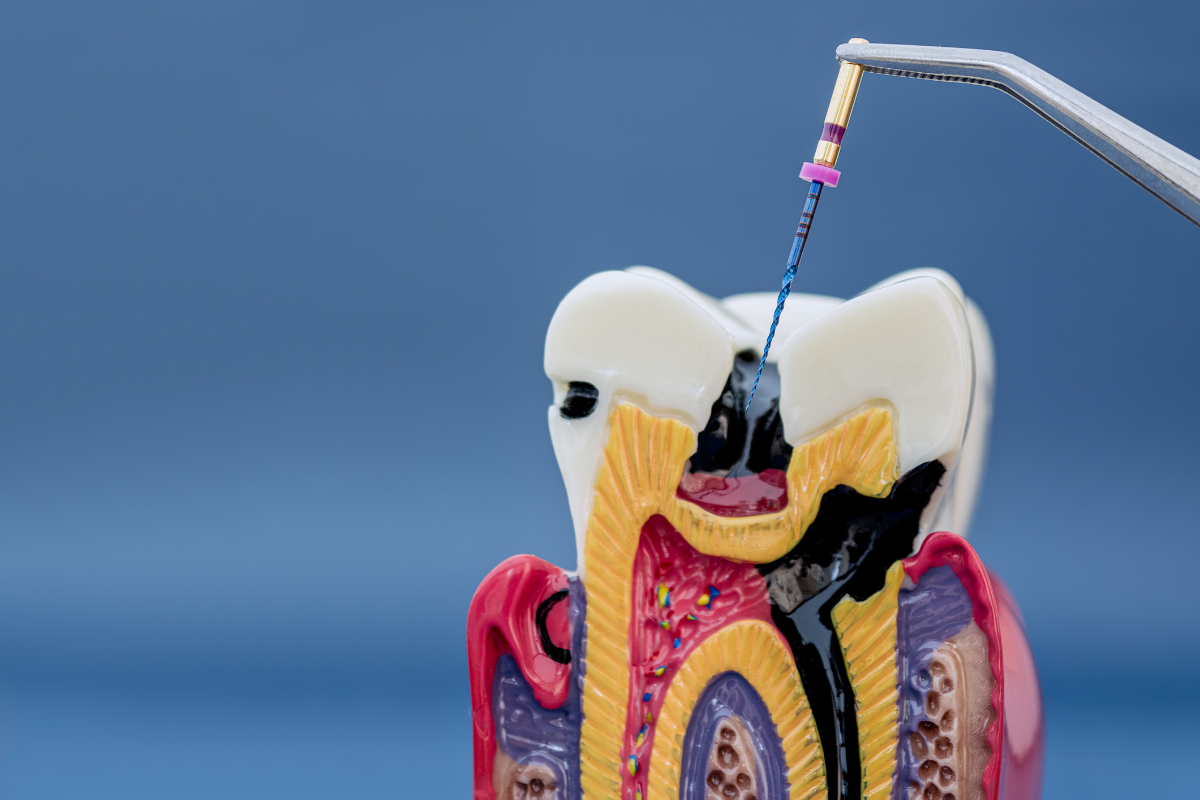
A root canal removes infected or inflamed tissue (called pulp) from inside a tooth, cleans out the empty canal space, shapes it, and seals it to stop bacteria from coming back. The tooth is then usually capped with a crown or filling to protect it from cracking under normal chewing pressure. People often picture this as a painful ordeal, but modern numbing techniques and updated instruments make the actual procedure feel a lot like getting a deep filling. The discomfort you had before treatment, from the infection itself, is usually far worse than the treatment that fixes it.
Why Some Cases Finish in One Visit
Many root canals are completed start to finish in a single appointment lasting roughly sixty to ninety minutes. In fact, a large share of root canal therapy fountain hills patients receive falls into this category. This tends to happen when:
- The tooth has straight, easy to reach canals (common in front teeth)
- There is no active infection or abscess at the time of treatment
- Only one or two canals need cleaning, as opposed to three or four
- X-rays show clear, predictable anatomy with no unusual curves or blockages
When these conditions line up, your dentist can clean, shape, and seal the tooth the same day, then place a temporary or permanent crown shortly after.
Reasons Your Root Canal Might Need a Second Appointment
Every tooth is different on the inside, and some situations call for a slower, staged approach. Here are the main reasons a second or third visit may be recommended.
Complex Root Canal Anatomy
Back teeth, especially molars, often have three or four canals instead of one. Some of those canals curve sharply, split into smaller branches, or narrow to a point that is difficult to reach with instruments. Working through this kind of anatomy carefully, without rushing, sometimes takes more time than a single appointment allows.
Active Infection or Abscess
If a tooth has a large abscess or a severe infection, your dentist may clean out as much bacteria as possible during the first visit, then place a medicated dressing inside the tooth to keep killing bacteria between appointments. This gives the infection time to calm down before the canal is permanently sealed, which lowers the chance of the infection flaring back up later.
Excess Drainage or Swelling
Sometimes a tooth continues to drain fluid even after initial cleaning. Sealing a canal too soon, while it is still draining, can trap bacteria inside and cause the infection to return. Your dentist will wait until the tooth calms down before finishing the seal.
Retreatment of a Previous Root Canal
If a tooth had a root canal years ago and is now causing problems again, removing the old filling material takes extra time and precision. Retreatment cases are more likely to need multiple visits simply because there is more material to work through safely.
Limited Time or Patient Comfort
Some patients get anxious sitting in a dental chair for long stretches, or a work schedule only allows for shorter appointment windows. Splitting treatment into two shorter visits instead of one long one is a completely reasonable choice, and many patients find it more comfortable overall.
A Quick Side-by-Side Comparison
| Single-Visit Root Canal | Multi-Visit Root Canal | |
| Typical time in chair | 60–90 minutes | Two visits, 45–75 minutes each |
| Best for | Simple, curved-free canal anatomy | Complex anatomy, infection, or retreatment |
| Between visits | Nothing needed | Medicated dressing sits inside the tooth |
| Final restoration | Placed same day or shortly after | Placed once infection is fully controlled |
| Overall success rate | High when case is straightforward | High when staged properly for complex cases |
Neither column is the “better” option. The right path is the one that matches your tooth, your infection, and your comfort level, which is exactly what your dentist evaluates before recommending a plan.
What Happens Between Appointments
If your tooth needs a second visit, your dentist will clean the canal as thoroughly as possible, then place a small amount of antibacterial medication inside before covering the opening with a temporary filling. This keeps the area protected while the medication continues working. You can eat and go about your day as normal, though most dentists suggest chewing on the opposite side until the tooth is permanently sealed. Mild soreness for a day or two is common and usually responds well to over-the-counter pain relief.
Meet the Team Behind Your Care
Choosing where to have root canal therapy fountain hills residents trust done matters just as much as the treatment plan itself. Here is a closer look at the dentists who see patients through this process at our Fountain Hills practice.
Dr. Dana Weinreich earned his DDS from the University of Iowa School of Dentistry in 1992 and worked as an associate dentist in Dayton, Ohio for seven years before acquiring his current Fountain Hills practice in January 1999. He moved the office to its present location on N. Saguaro Blvd in 2008 and continues attending ongoing continuing education so his techniques stay current. His background spans cosmetic, restorative, and surgical dentistry, giving him a broad view when planning treatment for complex cases.
Dr. Jeremy Sant completed his DDS at the University at Buffalo in 2016 and now serves as Clinic Director for A.T. Still University’s Arizona School of Dentistry and Oral Health AEGD Residency Program. He has finished multiple advanced implant training programs, holds credentials as a Diplomate of the American Board of Oral Implantology and a Fellow of the American Academy of Implant Dentistry, and stays active teaching the next generation of dentists through hands-on training programs.
Dr. Mariya Murdzheva was born in Bulgaria, moved to the United States in 2001, and graduated from Loma Linda University in 2003 before relocating to Arizona, where she has practiced ever since. She focuses on prevention, patient education, and building long-term relationships, taking time with each patient so treatment plans, including root canal care, feel clear rather than rushed.
Together, this team brings decades of combined training to every case, whether a patient needs a routine cleaning or a more involved endodontic procedure.
Frequently Asked Questions
1. Does needing two appointments mean my case is more serious?
Not necessarily. It usually just means your tooth’s canal shape or infection level calls for a more gradual approach rather than a rushed one.
2. Will I be in pain between the first and second appointment?
Most patients feel mild soreness for a day or two, similar to after a deep filling. The medicated dressing placed inside the tooth is there to reduce discomfort and control bacteria while you heal.
3. How far apart are the two appointments usually scheduled?
Typically one to two weeks apart, giving the medication enough time to work while not leaving the temporary filling in place too long.
4. Can I eat normally between visits?
Yes, though it is best to chew on the opposite side of your mouth until the tooth is permanently sealed to avoid damaging the temporary filling.
5. What if I skip the second appointment?
Leaving a tooth with only a temporary filling for too long raises the risk of new bacteria getting in, which can undo the progress made in the first visit and sometimes lead to reinfection.
6. Is a crown always needed after treatment?
Back teeth almost always need a crown afterward since they handle heavy chewing forces and the tooth structure is more fragile once the pulp is removed. Front teeth sometimes only need a filling.
7. How long does a treated tooth typically last?
With a proper crown or filling and normal oral hygiene, a treated tooth can last for many years, often decades, especially with regular checkups.
8. Does dental insurance usually cover multi-visit treatment differently than single-visit treatment?
Coverage varies by plan, but most insurers treat the procedure as one course of treatment regardless of how many appointments it takes. Our front desk team can help verify your specific benefits before you begin.
Ready to Take the Next Step?
Tooth pain rarely gets better on its own, and waiting usually just narrows your options later. If you are dealing with lingering sensitivity, a dull ache, or swelling around a tooth, our team can evaluate what is going on and walk you through a plan built around your specific anatomy, not a one-size-fits-all timeline. Whether your case wraps up in a single visit or needs a short follow-up, patients searching for root canal therapy fountain hills can count on a clear explanation at every step, from our first look at your X-rays to your final restoration.
Reach out to Dr. Dana A. Weinreich, DDS Family & Cosmetic Dentistry in Fountain Hills, Arizona to schedule an evaluation. As your local dentist fountain hills neighbors already recommend, our office is here to answer questions before you even sit in the chair. Request an appointment online or call our office at 480-837-1315, and let our team help you get out of pain and back to your normal routine.