Follow us on-


You take a sip of iced tea and your tooth zings. It lasts a second, then it is gone. Most of us have felt this, and most of the time it is no big deal.
But what if the ache does not go away? What if it wakes you at night or throbs when you bite? That is a different story. Knowing the signs can help you act early and protect your tooth. For some people, the answer is root canal treatment Fountain Hills dentists can complete in one or two visits. For many others, a small change at home is all it takes.
This guide shows how to tell the two apart, what each type of pain feels like, and when to call your dentist.
What Is Routine Tooth Sensitivity?
Tooth sensitivity is a short, sharp feeling when something hot, cold, sweet, or sour touches a tooth. It happens when the outer layers of the tooth wear thin or the gums pull back. This exposes tiny channels that lead to the nerve.
Common Causes
- Brushing too hard or using a stiff brush
- Gum recession
- Enamel worn by acidic foods and drinks
- Teeth whitening products
- Grinding or clenching your teeth
- A small cavity or worn filling
How It Usually Feels
Routine sensitivity is quick. It shows up with a trigger, like cold water or a sweet bite, and fades within a few seconds. It often affects several teeth, not just one. It does not cause swelling, and it does not keep you up at night.
What Is Pain That May Need a Root Canal?
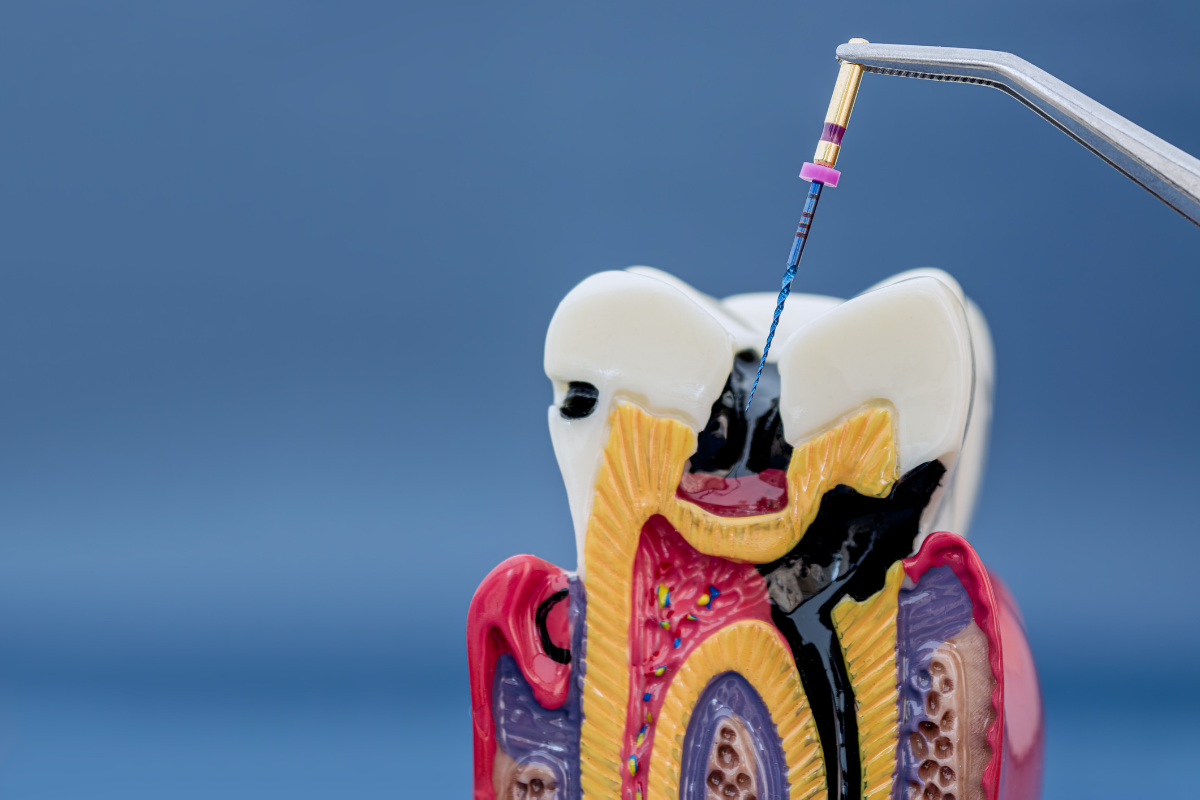
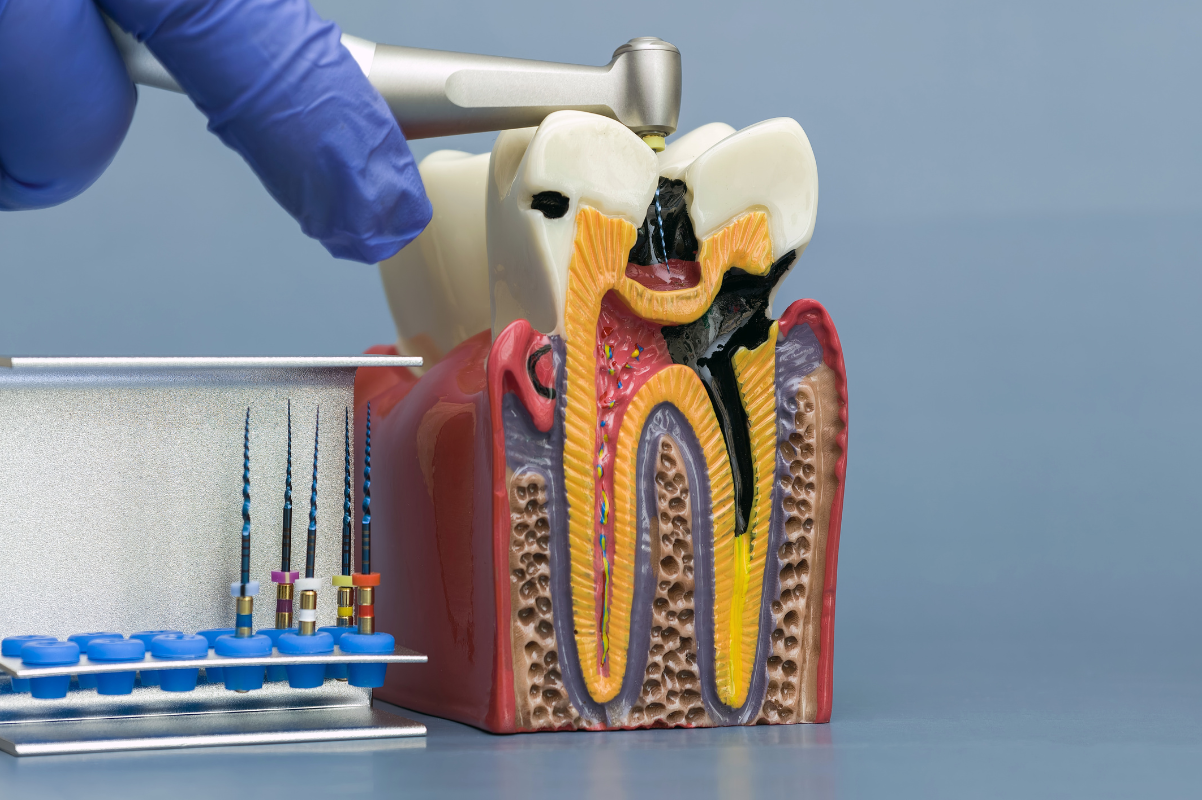
Inside every tooth is the pulp. It is a soft center made of nerves and blood vessels. When deep decay, a crack, or an injury lets bacteria reach the pulp, the tooth can become infected. The pulp may die, and the infection can spread to the bone around the root.
This kind of pain does not go away on its own. It gets worse over time. Without care, it can lead to swelling, bone loss, or an abscess (a pocket of pus).
Root canal therapy removes the infected tissue, cleans the inside of the tooth, and seals it. The goal is to save your own tooth and end the pain.
How It Usually Feels
- Pain that lingers for minutes or hours after hot or cold
- A deep, throbbing ache
- Pain when you bite or chew
- Pain that wakes you at night
- Pain that stays in one tooth
Side-by-Side Comparison
Use this chart as a guide. Only a dental exam and X-rays can tell you what is going on.
| Feature | Routine Sensitivity | Pain That May Need a Root Canal |
| How long it lasts | A few seconds | Minutes to hours, or constant |
| What sets it off | Cold, heat, sweets, brushing | Hot, cold, biting, or no trigger at all |
| Where it hurts | Often several teeth | Usually one tooth |
| Type of pain | Quick, sharp zing | Dull, deep, or throbbing |
| Swelling or bump on gums | No | Possible |
| Tooth color | Normal | May look darker |
| Night pain | Rare | Common |
| Gets worse over time | Usually stays the same or improves | Often gets worse |
The American Association of Endodontists lists lingering pain, swelling, and tenderness when you bite among the common signs that a tooth may be infected.
Warning Signs You Should Not Ignore
Call your dentist soon if you notice any of these:
- Pain that lasts more than a few minutes after hot or cold
- Pain when you chew or press on a tooth
- Swollen or tender gums around one tooth
- A small bump on the gums near the tooth
- A tooth that has turned dark or gray
- A bad taste in your mouth that does not go away
Go to Urgent Care or the ER If
Seek care right away if you have facial swelling with a fever, or trouble swallowing or breathing. These can signal a spreading infection.
Simple Steps to Try First
If your pain fits the routine sensitivity pattern, a few changes can help.
- Switch to a soft toothbrush and brush with light pressure.
- Use toothpaste made for sensitive teeth. Give it a few weeks to work.
- Cut back on soda, citrus, and other acidic drinks.
- Wait 30 minutes after acidic foods before brushing.
- Ask your dentist about a fluoride treatment or a night guard if you grind your teeth.
If the pain is not better after a couple of weeks, get it checked. Do not wait for it to get worse. A short exam now is easier than a bigger problem later.
What Happens at the Dentist
Your dentist will ask when the pain started, what triggers it, and how long it lasts. Then they will look at the tooth and gums, tap on the tooth, and test how it responds to cold. Digital X-rays show what is happening below the gum line.
If the tooth does need a root canal, here is how our team handles it:
- Numbing. The area is fully numbed so you stay comfortable.
- Cleaning. The infected pulp is removed, and the inside of the tooth is cleaned and disinfected.
- Sealing. The space is filled with a safe material to block new infection.
- Crown. In most cases, a custom crown is placed to restore strength and shape.
Most root canal visits last about 60 to 90 minutes, and many cases finish in one or two visits. Many people feel relief once the infection is gone. Mild soreness for a few days is common and can be eased with over-the-counter pain relief as directed on the label.
Why Acting Early Helps
Waiting can turn a simple fix into a hard one. Early care may mean you save more of the tooth. It also lowers the chance of swelling, bone loss, and the need for an extraction. If a tooth cannot be saved, there are other ways to replace it, but keeping your own tooth is usually the best result.
A root canal also protects the teeth next to it. A missing tooth lets neighbors shift, which can change how your bite fits.
Tips for Fountain Hills Life
A few local habits can affect how your teeth feel.
Watch the icy drinks
Hot Arizona afternoons make iced coffee and cold drinks tempting. If those drinks make a tooth ache and the ache lingers, note it and tell your dentist.
Keep water handy
Dry desert air and sun can dry out your mouth. Less saliva means less natural protection for your teeth. Sip water through the day, especially on trail walks and golf rounds.
Do not wait for a snowbird gap
If you split time between Arizona and another state, schedule a check before you travel. A small problem can turn into an emergency far from your dentist.
Plan around office hours
Our office on N. Saguaro Blvd. is open Monday through Thursday from 7 a.m. to 4 p.m. and Fridays from 8 a.m. to 1 p.m. Choosing root canal treatment Fountain Hills offices provide close to home also makes follow-up visits and crown fittings easier to fit into your week.
Final Thoughts
A quick zing from cold water is usually routine sensitivity. A deep, lasting, or throbbing ache in one tooth, especially with swelling or night pain, needs a closer look. You do not have to guess. A simple exam and X-rays give a clear answer.
If your tooth is telling you something, schedule a consultation with Dr. Dana A. Weinreich, DDS Family & Cosmetic Dentistry. We will find the cause, explain your options in plain words, and plan the next step. For many people, root canal treatment Fountain Hills care teams can finish quickly brings welcome relief and saves a natural tooth.
Frequently Asked Questions
1. How do I know if my tooth pain is serious?
Pain that lasts more than a few minutes, throbs, wakes you at night, or comes with swelling is more serious than routine sensitivity. Only an exam and X-rays can confirm the cause.
2. Can tooth sensitivity turn into a root canal problem?
Sometimes. A small cavity or crack that is left alone can grow deeper and reach the pulp. Early checkups catch these problems while they are small.
3. Does a root canal hurt?
The area is fully numbed, so most people feel pressure but not pain during the visit. Mild soreness for a few days afterward is common.
4. How long does a root canal take?
Most visits last 60 to 90 minutes. Many cases finish in one or two visits, depending on the tooth.
5. Will I need a crown afterward?
In most cases, yes. A crown protects and strengthens the tooth, especially back teeth that handle heavy biting.
6. Can a tooth infection go away on its own?
No. The infection stays unless the source is treated. Pain may fade for a while if the nerve dies, but the infection can keep spreading.
7. What should I eat after a root canal?
Choose soft foods and chew on the other side until your crown is placed. Avoid hard or sticky foods.
8. What if I have swelling and a fever?
Call your dentist right away. If you also have trouble breathing or swallowing, go to the ER.