Follow us on-


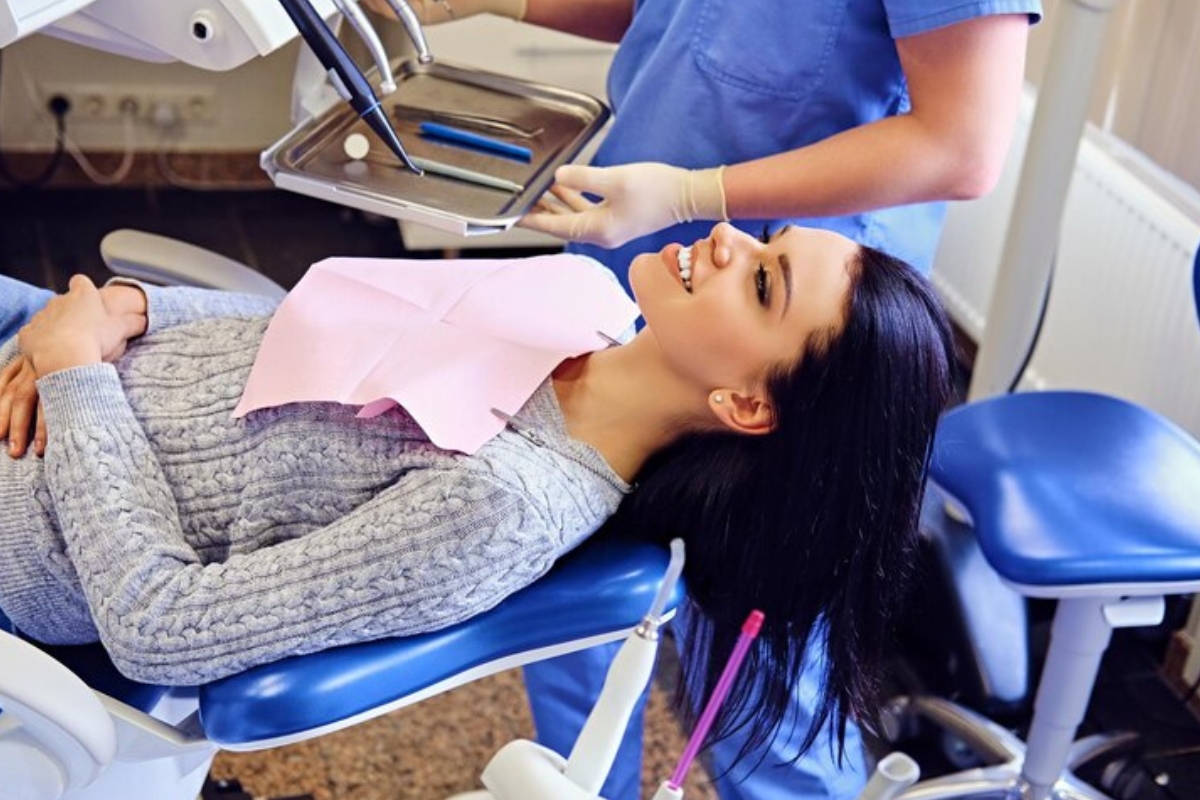
Dental anxiety is more common than many people realize. For some, even a routine cleaning can feel overwhelming. Others delay important treatment because of fear, past dental experiences, or difficulty sitting comfortably for long appointments. Sedation dentistry offers a safe, modern solution that helps patients feel calm, relaxed, and in control during their visit.
Whether you’re enjoying the views near the iconic Fountain Park, spending time around Saguaro Lake, or living in the peaceful neighborhoods throughout Fountain Hills, your oral health should never take a back seat because of anxiety. For patients considering sedation dentistry in Fountain Hills, understanding how it works and who can benefit is an important first step toward stress-free dental care.
This guide will explain the different types of sedation available, who is a good candidate, and what to expect during the procedure.
What Is Sedation Dentistry?
Sedatives are medications that help patients feel relaxed and at ease during dental procedures. It is often referred to as “comfort dentistry” because its primary goal is to reduce anxiety and improve the overall treatment experience.
Depending on clinical needs and patient health history, sedation may range from mild relaxation to deeper levels of calm. The most common types include:
- Nitrous Oxide (Laughing Gas): A mild inhaled sedative that takes effect quickly and wears off soon after treatment.
- Oral Conscious Sedation: A prescribed medication taken before the appointment to create deeper relaxation.
- IV Sedation: Administered intravenously for a more controlled and profound level of sedation.
Each option is selected based on the complexity of the procedure, medical history, and patient comfort level.
Who May Benefit From Sedation Dentistry?
Stress-free dental care is not only for individuals with severe dental anxiety. Many patients consider sedation dentistry in Fountain Hills for various reasons, including:
- Moderate to severe dental fear.
- Sensitive gag reflex.
- Difficulty getting numb with local anesthesia.
- Extensive or complex dental procedures
- Physical discomfort when sitting for long periods.
- Special healthcare needs.
- History of traumatic dental experiences.
In many cases, this technique allows patients to complete multiple treatments in fewer visits, reducing overall time in the dental chair.
Safety And Professional Standards To Follow
When considering stress-free dental care, safety is always the top priority. Before recommending any type of sedation, a thorough evaluation is completed to ensure the treatment is appropriate for you. This includes a detailed review of your medical history, an assessment of current medications, a check of your blood pressure and vital signs, and a discussion of any previous sedation experiences.
Whether you’re coming in from near Fountain Park, the Sunridge Canyon area, or surrounding neighborhoods, you can expect modern safety protocols to protect your health throughout treatment. During the procedures, oxygen levels, heart rate, and blood pressure are carefully monitored to avoid complications.
Sedation dentistry is considered safe for most healthy adults when administered by properly trained dental professionals who follow clinical guidelines. Choosing an experienced oral care provider in Fountain Hills ensures your comfort is prioritized without compromising safety.
What To Expect Before, During, And After Sedation?
Understanding the process helps reduce uncertainty and build confidence.
A. Before the Appointment
Patients receive clear instructions regarding:
- Eating and drinking restrictions (if applicable)
- Transportation arrangements for oral or IV sedation
- Medication guidelines
Open communication about health history is essential to ensure safety.
B. During the Procedure
Most patients remain conscious but deeply relaxed. Many report limited memory of the procedure afterward. Local anesthesia is still used to ensure the treatment area remains numb and pain-free.
C. After Treatment
Recovery depends on the type of sedation used. Nitrous oxide wears off quickly, allowing most patients to resume normal activities the same day. Oral and IV sedation may require rest and assistance from a companion.
Common Procedures Performed With Sedatives
Sleep dentistry can be used for both routine and advanced procedures, including:
- Dental implants
- Root canal therapy
- Wisdom tooth removal
- Full-mouth rehabilitation
- Cosmetic treatments
- Deep cleanings for gum disease
For patients requiring multiple treatments, sedatives can improve efficiency and reduce the need for repeated visits.
What Are The Benefits Beyond Comfort?
While reducing anxiety is a primary goal, this relaxing technique offers additional advantages:
1. Improved Treatment Completion
Patients who previously delayed care are more likely to complete necessary treatment plans.
2. Greater Precision
When patients remain calm and still, dental professionals can work more efficiently and accurately.
3. Fewer Appointments
Complex procedures may be completed in one or two visits instead of several shorter appointments.
4. Better Oral Health Outcomes
Regular and consistent dental care helps prevent complications, tooth loss, and advanced infections.
Addressing Common Concerns Regarding Calming Dental Techniques
Many individuals researching sedation dentistry in Fountain Hills share similar questions and concerns.
Q. Will Sedation Put Patients to Sleep?
Most forms of sedation used in dentistry allow patients to remain conscious but relaxed. General anesthesia, which induces full unconsciousness, is typically reserved for hospital settings or specific surgical cases.
Q. Is Sedation Only for Major Procedures?
No. Even routine procedures can be performed with sedation if anxiety or discomfort is significant.
Q. Are There Side Effects?
Mild drowsiness, dry mouth, or temporary grogginess may occur depending on the type of sedation used. Serious complications are rare when patients are properly screened and monitored.
Factors To Consider Before Choosing The Right Sedation Provider
When evaluating who has the best hands-on dental relaxation methods, patients should consider:
- Professional training and credentials.
- Years of clinical experience.
- Emergency preparedness protocols.
- Modern monitoring technology.
- Transparent communication about risks and benefits.
- Patient reviews and testimonials.
What Are The Technology And Modern Advancements?
Advances in dental technology have made dental relaxation methods more predictable and comfortable. Digital imaging, precise anesthetic techniques, and advanced monitoring systems contribute to improved safety and efficiency.
Many practices also combine sedation with minimally invasive techniques to shorten recovery time and enhance overall results.
When Sedation Is Not Recommended For Patients?
Although sedatives are safe for most patients, certain medical conditions may require additional precautions. These may include:
- Severe respiratory conditions
- Certain heart conditions
- Pregnancy
- Allergies to specific medications
A thorough consultation ensures that sedation is appropriate and tailored to individual health needs.
How Does Sedation Therapy Support Oral Health?
Avoiding oral care due to fear can lead to serious oral health complications over time. Gum disease, tooth decay, infections, and bone loss often worsen without treatment.
The calming techniques remove barriers to care, allowing patients to maintain consistent dental visits and protect both oral and overall health. Research continues to show connections between oral health and systemic conditions such as heart disease and diabetes, making preventive care increasingly important.
Frequently Asked Questions (FAQs)
1. How long does sedation dentistry last?
The duration depends on the type of sedation used. Nitrous oxide wears off within minutes, while the effects of oral and IV sedation may last several hours.
2. Can patients drive home after sedation?
Patients who receive oral or IV sedation require a responsible adult to provide transportation. Nitrous oxide typically allows patients to drive themselves after recovery.
3. Is sedation covered by dental insurance?
Coverage varies by provider and the type of procedure. Many practices offer financing options to help manage costs.
4. How should patients prepare for a sedation appointment?
Preparation may include fasting guidelines, arranging transportation, and discussing medications with the dental team.
5. Does sedation eliminate pain?
Sedation reduces anxiety and awareness. Local anesthesia is still used to prevent pain during treatment.
Make An Informed Decision With Us!
Choosing sedation dentistry in Fountain Hills ensures that your dental care is not only effective but also comfortable and stress-free. It’s an opportunity to receive the treatment you need without anxiety, in a safe and supportive environment.
With experienced providers and a focus on patient well-being, sedation dentistry empowers you to take control of your oral health and confidently move forward toward a healthier smile. You’re not alone in this journey-let us help you achieve long-term oral wellness with ease and comfort. Schedule an appointment now!