Follow us on-


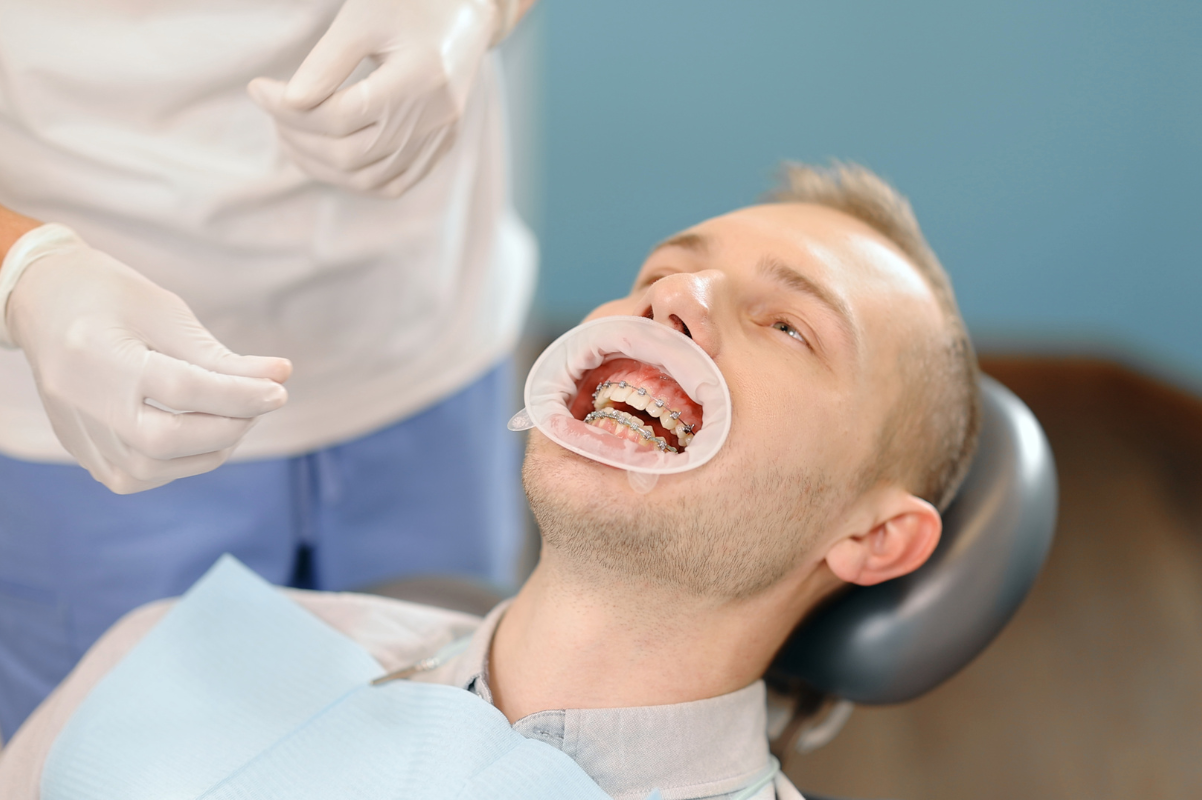
Getting braces or aligners is exciting. Then the first sore night shows up. Your teeth ache, your lips feel rough, and soft foods suddenly sound great.
This is normal, and it does not last. Many people search for an orthodontist Fountain Hills offers close to home, and one of their first questions is how much it will hurt. Knowing what to expect makes the first weeks much easier. Having a orthodontist Fountain Hills offers nearby also means a sore spot can get checked fast. Good prep helps you feel in control.
This guide covers what you will feel, why it happens, and simple ways to ease it. It also tells you when to call your care team.
Why Braces and Aligners Cause Soreness
Teeth sit in bone and are held by tiny fibers. Braces and aligners press on teeth with light, steady force. The fibers stretch, the area gets a little inflamed, and the nerves in your gums react. That ache is a sign your teeth are starting to move.
Your lips and cheeks need time too. Metal brackets and wires rub soft tissue until it toughens up. Small sores are common in the first two weeks and heal as your mouth adjusts.
What the First Few Weeks Usually Feel Like
Every mouth is different, but most people follow a similar pattern.
| Stage | What You May Feel | How Long It Lasts | What Helps Most |
| Day 1 (placement) | Tight teeth, mild pressure, a strange new feeling | A few hours before soreness starts | Soft dinner, cold water |
| Days 2 to 4 | Peak soreness, teeth sensitive to chewing, cheek rubbing | 2 to 3 days | Orthodontic wax, salt water rinse, a pain reliever as the label directs |
| Week 2 | Ache fades, small sores may show up | Up to 7 days | Wax, gentle brushing, rinses |
| Week 3 and beyond | Mostly comfortable, short soreness after adjustments | 1 to 3 days per visit | Soft meal the evening of your visit |
The American Association of Orthodontists notes that mild soreness after placement and after adjustments is expected. It usually eases within a few days.
Braces and Clear Aligners Compared
Both options cause pressure, but they feel different.
| Feature | Metal or Clear Braces | Clear Aligners (Invisalign) |
| Main source of soreness | Pressure on teeth, plus brackets rubbing lips and cheeks | Pressure on teeth, plus tight trays |
| Peak soreness | Days 2 to 3 after placement | First 2 to 3 days of each new tray |
| Common trouble spot | Cheeks, lips, poking wires | Gum edges, tongue |
| Quick fix | Wax over the bracket | Chewies, smooth edges checked by your team |
| Eating during treatment | Soft foods at first, then limits on sticky foods | Remove trays to eat, then brush before putting back |
Neither option is “pain free,” and neither is a hard road. Most people say the worry was worse than the real thing.
Simple Ways to Ease Discomfort at Home
You do not need fancy gear. A few habits do most of the work.
Eat Soft Foods for the First Week
Chewing is the hardest part when teeth are tender. Pick foods you can swallow with little effort.
- Yogurt, applesauce, and smoothies (use a spoon if a straw bothers you)
- Mashed potatoes, soup, and scrambled eggs
- Pasta, oatmeal, and soft rice
- Bananas and ripe peaches
Skip hard, sticky, or chewy foods. Think nuts, taffy, popcorn, hard pretzels, and whole apples. These can bend wires or pop brackets loose, which adds new problems.
Use Cold for Quick Relief
Cold calms sore gums. Sip ice water, eat a frozen yogurt cup, or let a popsicle melt slowly. Skip very hot drinks on the worst days, since heat can make teeth feel more sensitive.
Protect Your Cheeks and Lips with Wax
Orthodontic wax is a small, soft strip you press over a rough bracket or wire. Dry the spot first, roll a pea-size piece, and press it on. It is safe if a little gets swallowed. Your team will give you wax at your first visit, and drugstores carry it too.
Rinse with Salt Water
Stir half a teaspoon of salt into a cup of warm water. Swish for 30 seconds and spit. Do this once or twice a day to soothe small sores and keep the area clean. The American Dental Association also recommends gentle brushing and flossing from day one, so your gums stay healthy.
Use Pain Relievers the Right Way
Over-the-counter options like acetaminophen or ibuprofen help many people. Read the label, follow the dose, and ask your doctor or pharmacist first if you have allergies, take other medicine, or are treating a child. Taking a dose before the soreness peaks can feel easier than waiting until it hurts.
Tips for Clear Aligner Wearers
A new set of trays feels snug for the first day or two. Here is what helps.
- Switch trays in the evening, so the worst of the ache hits while you sleep.
- Wear them about 22 hours a day, as your team directs. Skipping wear can make the next tray feel tighter.
- Take trays out for meals and drinks other than water.
- Brush before putting them back in.
- Use chewies (small foam cylinders) to seat the tray fully.
If a tray edge digs into your gums or tongue, let your care team know. A small adjustment often fixes it.
Local Tips for Fountain Hills Life
Living in the Sonoran Desert adds a few twists to your routine.
Drink more water
Dry air and warm afternoons can leave your mouth parched. A dry mouth makes sore spots feel worse and raises the chance of cavities. Carry a water bottle on walks around the lake or along the trails.
Plan for summer heat
Cold treats feel great on tender teeth, but sugary ones can stick around brackets. Rinse with water afterward.
Pick convenient visit times
If you drive in from Scottsdale, Fort McDowell, or Rio Verde, ask your orthodontist Fountain Hills care team about quick check-ins when something pokes or breaks. Short visits save you a long, uncomfortable wait.
Use early hours
The office on N. Saguaro Blvd. opens at 7 a.m. Monday through Thursday and at 8 a.m. on Fridays. Early hours at a orthodontist Fountain Hills offices keep open make repair visits easier before school or work.
When Discomfort Is Not Normal
Mild to moderate soreness is expected. The signs below are not.
- A wire poking your cheek or gum that wax does not fix
- A loose or broken bracket or band
- Pain that is getting worse after the first week
- Swelling in your face, gums, or jaw
- A tray that cracks or no longer fits
- A sore spot that does not heal after two weeks
Call the orthodontist Fountain Hills practice that placed your treatment as soon as you notice one of these. For severe pain, a fever, or facial swelling, seek urgent care or call your doctor. Do not try to cut a wire yourself unless your team has told you how.
Final Thoughts
Soreness in the first weeks is a normal part of straightening teeth. It fades, and the right habits make it easier. Choosing an orthodontist Fountain Hills has available means help is close when a wire pokes or a tray feels tight. A orthodontist Fountain Hills offers for routine cleanings also keeps your gums healthy during treatment. Eat soft foods, keep wax handy, rinse with salt water, and call early when something feels off.
Ready to talk about braces or aligners? Schedule a consultation with Dr. Dana A. Weinreich, DDS Family & Cosmetic Dentistry. We will answer your questions, explain your options, and go over what the first weeks will feel like.
Frequently Asked Questions
1. How long does soreness last after getting braces?
Most people feel the worst of it on days 2 to 3. It usually fades within a week. Mild tenderness can return for a day or two after each adjustment.
2. Does it hurt more with braces or aligners?
Both cause pressure. Braces can also rub your cheeks and lips. Aligners feel tight for the first couple of days with each new tray. Most people find the soreness similar.
3. Can I take ibuprofen or acetaminophen for the ache?
Many people do. Follow the label and ask your doctor or pharmacist if you have health conditions, allergies, or take other medicine. Ask a doctor before giving any pain reliever to a child.
4. What should I eat in the first few days?
Choose soft foods like yogurt, eggs, soup, pasta, and smoothies. Avoid hard, crunchy, and sticky foods until the soreness fades.
5. What do I do if a wire pokes my cheek?
Press orthodontic wax over the spot. If it keeps poking, call your care team. Do not clip the wire at home unless you were shown how.
6. Are mouth sores normal?
Yes. Small sores are common in the first two weeks while your cheeks adjust. Wax and salt water rinses help. Call if a sore lasts longer than two weeks.
7. Can I still play sports or an instrument?
Yes. Wear a mouthguard made for braces during contact sports. Wind instrument players may need a week or two to adjust.
8. When should I call the office?
Call for a broken bracket, a wire that will not settle, swelling, or pain that gets worse after the first week. Early calls often mean quick fixes.