Follow us on-


A bad toothache has a way of taking over your whole day. You can’t eat right, you can’t sleep right, and you start wondering if you’ll lose the tooth for good. If you’ve been searching for answers about root canal treatment or tooth extractions fountain hills, this guide will walk you through both options in plain language, so you know what to expect before you ever sit in the chair.
Every tooth problem is different, and only an exam can tell you which path fits your case. But knowing the basics ahead of time helps you ask better questions and feel less nervous about the visit.
What Happens During a Root Canal
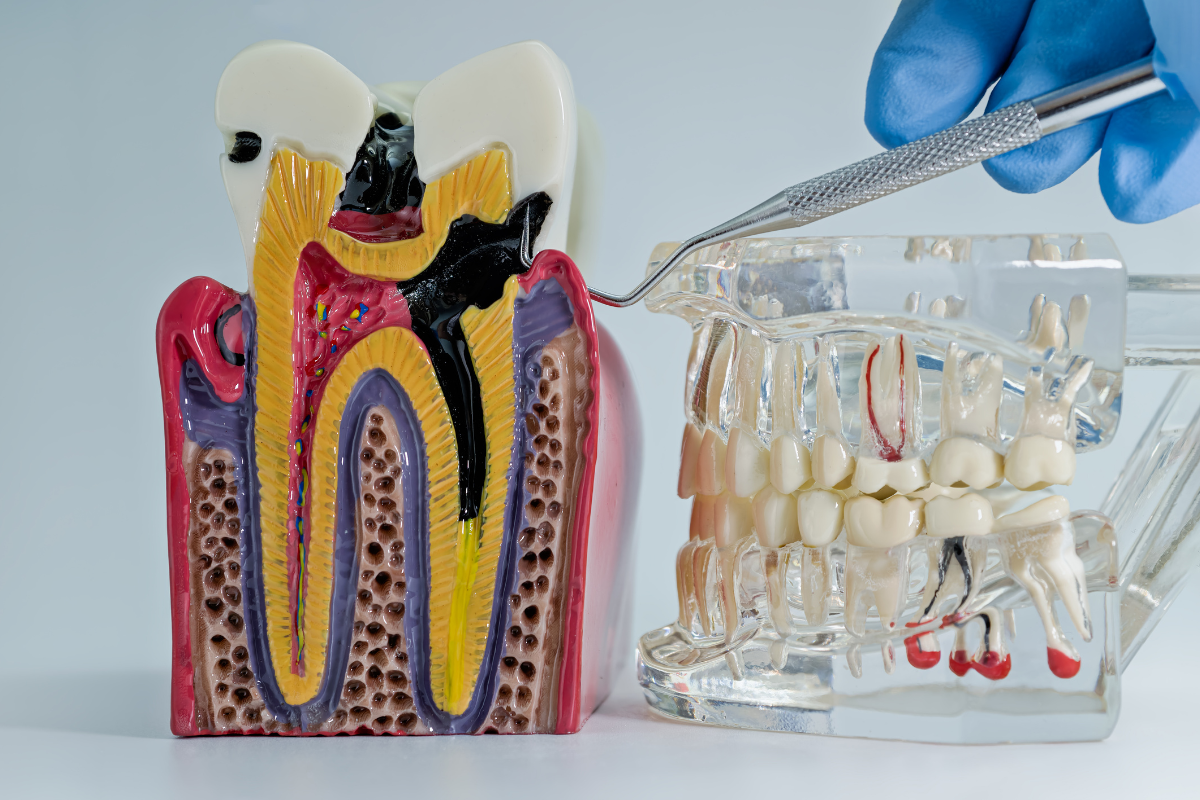
A root canal saves a tooth that has an infection inside it. Every tooth has a soft center called the pulp, filled with nerves and tiny blood vessels. When bacteria get inside that pulp, usually from deep decay, a crack, or an old injury, the tooth starts to hurt. Left alone, the infection can spread to the bone around the root.
During root canal treatment, the dentist opens a small path into the tooth, removes the infected tissue, and cleans out the inside chamber. The space gets filled with a safe material and sealed up. Most teeth then get a crown on top to bring back strength, since a tooth without its pulp can turn brittle over time.
Here’s what makes a root canal worth considering: it keeps your natural tooth in your mouth. No gap, no missing tooth, no need to replace anything. Your bite stays the same, and nearby teeth don’t shift out of place.
What Happens During a Tooth Extraction
Sometimes a tooth is too far gone to fix. Maybe the decay reached too deep, the crack runs below the gum line, or gum disease has loosened the roots. In these cases, pulling the tooth protects the rest of your mouth from infection and bone loss.
There are two main kinds of extractions. A simple extraction is for a tooth that’s fully visible above the gum. The dentist numbs the area, loosens the tooth, and lifts it out. A surgical extraction is for teeth that are broken at the gum line or haven’t fully come in, like some wisdom teeth. This type needs a small opening in the gum tissue for the dentist to remove the tooth safely.
Either way, local anesthesia keeps the area numb, so you feel pressure but not pain. After the tooth comes out, you’ll get instructions on caring for the empty socket while it heals.
How a Dentist Decides Between the Two
This isn’t a coin flip. A dentist looks at several things before recommending one option over the other:
- How much healthy tooth structure is left. If there’s enough solid tooth to support a crown after treatment, a root canal often makes sense.
- Where the damage sits. A crack that runs down through the root usually can’t be saved, no matter how strong the rest of the tooth looks.
- Gum and bone health around the tooth. Advanced gum disease can loosen a tooth enough that a root canal won’t hold up long term.
- Your overall health and goals. Some patients prefer to keep every natural tooth possible. Others want the fastest path to relief.
- X-ray findings. Digital images show the extent of infection and whether it has reached the bone.
In general, dentists try to save a natural tooth first when it’s a realistic option. A tooth you were born with almost always works better, and lasts longer, than one that’s missing or replaced. But when the tooth can’t be saved safely, pulling it is the smarter choice for your long-term health.
Warning Signs Worth Paying Attention To
You don’t have to guess whether something is wrong. Watch for these signals:
- A toothache that won’t quit, especially one that throbs at night
- Sharp pain when you bite down
- Sensitivity to hot or cold that lingers well after the food or drink is gone
- Swollen, tender, or bleeding gums around one specific tooth
- A tooth that looks darker than the ones next to it
- A small bump on the gum, sometimes called a gum boil
Any one of these on its own is worth a visit. Catching a problem early often means more options and less discomfort down the road.
Recovery: What Life Looks Like After Each Treatment
After a root canal, most people feel some mild soreness for a few days. Over-the-counter pain relief usually handles it. You’ll want to avoid chewing on that tooth until the permanent crown goes on. Many patients are back to normal eating and talking within a day or two.
After an extraction, healing takes a bit longer. You’ll bite down on gauze to help a blood clot form, use a cold pack for swelling, and stick to soft foods like soup or mashed potatoes for the first day or so. Straws and smoking are off limits for at least 24 hours, since sucking motions can disturb the healing socket and cause a painful problem called dry socket. Most people feel much better within a week, though full bone healing takes longer.
Both treatments are common, well understood, and far less scary than the fear that usually builds up before the appointment.
Know Our Dentists
Getting the right diagnosis starts with a dentist who takes time to explain your options. Here’s who you’ll meet at our Fountain Hills practice.
Dr. Dana Weinreich
Dr. Dana earned his DDS from the University of Iowa School of Dentistry in 1992. After several years working in a private practice in Dayton, Ohio, he took over his current Fountain Hills practice in 1999 and moved it to its present location on N. Saguaro Blvd. in 2008. He keeps up with continuing education so his techniques and technology stay current. Dr. Dana works across cosmetic, restorative, and surgical dentistry, and he puts a strong focus on keeping patients comfortable at every step. Outside the office, he enjoys golfing, flying planes, and spending time with his two children.
Dr. Jeremy Sant
Dr. Jeremy Sant earned his DDS from the University at Buffalo in 2016. He also serves as Clinic Director for A.T. Still University’s Arizona School of Dentistry and Oral Health AEGD Residency Program. Dr. Sant has completed advanced training in implant dentistry, including two AAID MaxiCourses, and holds credentials as a Diplomate of the American Board of Oral Implantology and a Fellow of both the American Academy of Implant Dentistry and the Academy of General Dentistry. He also trains other dentists through a hands-on implant program. He’s married with five kids and a family dog, and outside of work he likes exercising, playing sports, and reading.
Dr. Mariya Murdzheva
Dr. Mariya Murdzheva was born and raised in Bulgaria and moved to the United States in 2001. She graduated from Loma Linda University in 2003 and has practiced in Arizona ever since. She focuses on building real relationships with her patients, along with prevention, patient education, and treatment plans built around each person’s needs. She’s married with two children, Natalie and Alex, and enjoys tennis, cooking, and traveling with her family in her free time.
You can browse the full range of care we offer, from general dentistry to oral surgery, on our services page.
Getting Care Close to Home in Fountain Hills
Living near the base of the McDowell Mountains and the Fountain Hills fountain itself means you shouldn’t have to drive across the Valley for dental care that treats you like a neighbor, not a number. Our office sits at 11050 N Saguaro Blvd, right in the heart of Fountain Hills, AZ, easy to reach whether you’re coming from the town center, Eagle Mountain, or nearby Rio Verde and Scottsdale.
Tooth pain rarely waits for a convenient time. When you need a same-week appointment for a toothache, a cracked tooth, or a question about whether extraction or root canal treatment fits your situation, our team is close by and ready to help.
Frequently Asked Questions
1. How do I know if I need a root canal or an extraction?
Only an exam and digital X-rays can tell for sure. In general, if enough healthy tooth remains and the root structure is sound, a root canal is possible. If the damage runs too deep or the tooth is loose from gum disease, extraction is usually the safer path.
2. Is a root canal more painful than an extraction?
Both procedures use local anesthesia, so neither should hurt during treatment. Many patients say a root canal actually brings relief right away, since it removes the infection that was causing the pain in the first place.
3. Which option costs less, a root canal or an extraction?
An extraction alone often costs less upfront. But if the missing tooth needs to be replaced later with an implant, bridge, or denture, the total cost can end up higher than treating and crowning the tooth in the first place.
4. Can I just leave a damaged tooth alone instead of choosing either option?
Ignoring a damaged or infected tooth usually makes things worse. Infection can spread to the jawbone, nearby teeth, or even other parts of the body. Treating it early, either way, protects your health.
5. How long does recovery take after each procedure?
Root canal recovery is usually quick, with mild soreness for a day or two. Extraction recovery takes a bit longer, often about a week for the surface to heal, with full bone healing taking longer in the background.
6. Will I need a crown after a root canal?
In most cases, yes. A crown protects the treated tooth from cracking, especially on back teeth that handle heavy chewing pressure.
7. What happens if I don’t replace an extracted tooth?
Nearby teeth can shift into the empty space over time, and the jawbone in that area can shrink. This can affect your bite and your smile. Replacement options like implants, bridges, or dentures help prevent this.
8. Can a tooth extraction be avoided if I catch a problem early?
Often, yes. Catching decay or infection early gives your dentist more options, including fillings or root canal treatment, before extraction becomes the only choice. Regular checkups make early detection much more likely.
Making the Right Call for Your Tooth
Choosing between a root canal and an extraction comes down to what’s realistic for your specific tooth, not a general rule that applies to everyone. A tooth that can be saved with root canal treatment almost always should be, since nothing replaces your natural tooth quite like the real thing. But when a tooth is too damaged to support long-term health, a well-planned extraction, followed by the right replacement, is the responsible choice.
The best next step is a real exam with a dentist who explains your options clearly, without pressure. If you’re dealing with tooth pain, sensitivity, or a tooth you’re worried about, reach out to our dentist fountain hills team.
You can request an appointment online or call our office to get on the schedule. We’ll walk you through what we see on your X-rays, answer your questions honestly, and help you decide on the treatment that protects your smile for years to come.