Follow us on-


A crooked smile is more than a cosmetic worry. Crowded teeth trap food and plaque. Gaps let air whistle when you talk. A bad bite can wear down enamel faster than it should. Many local patients start their search the same way, typing invisalign fountain hills into a search bar before they ever pick up the phone, hoping to learn what clear aligners can actually fix. That is a fair question, and it deserves a clear answer.
At Dr. Dana A. Weinreich, DDS Family & Cosmetic Dentistry, our team sees a wide range of smiles come through the door. Some just need a gentle nudge. Others need a different kind of plan. This guide walks through what Invisalign handles well, where it hits its limits, and how a dentist in Fountain Hills can help you figure out which path fits your teeth.
What Is Invisalign, In Plain Terms
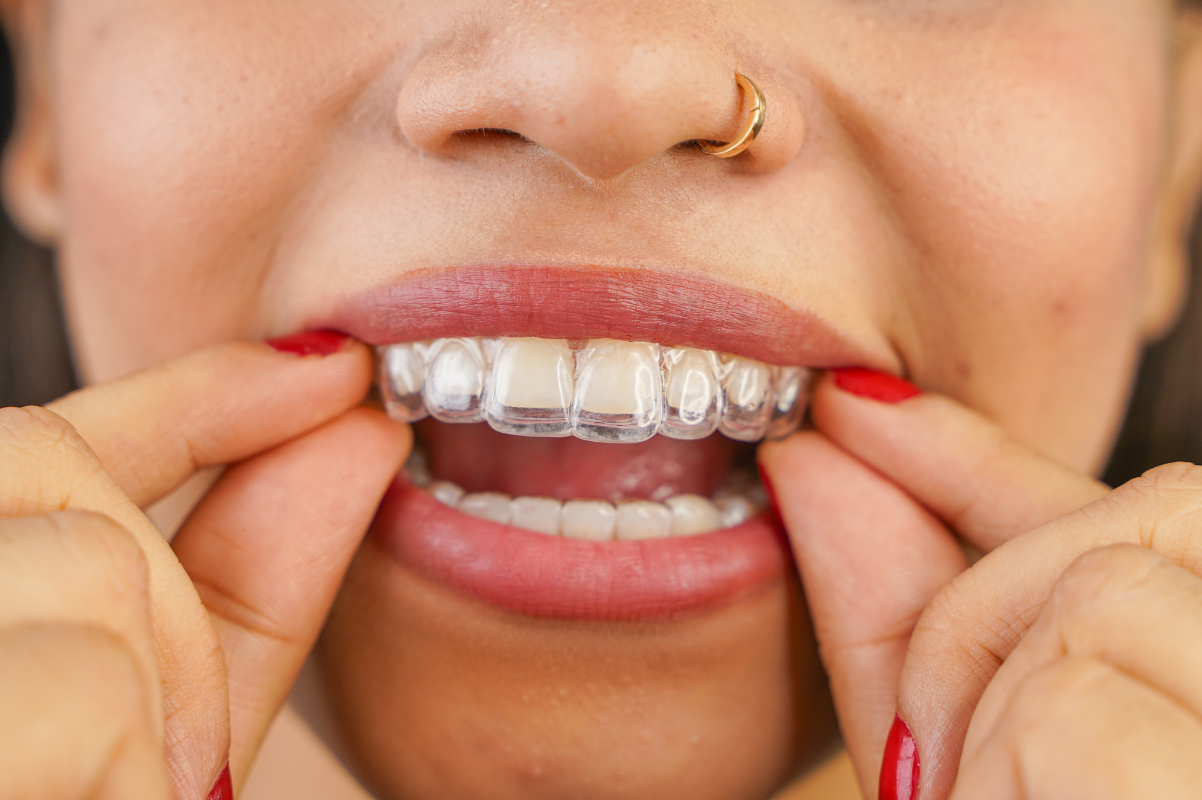
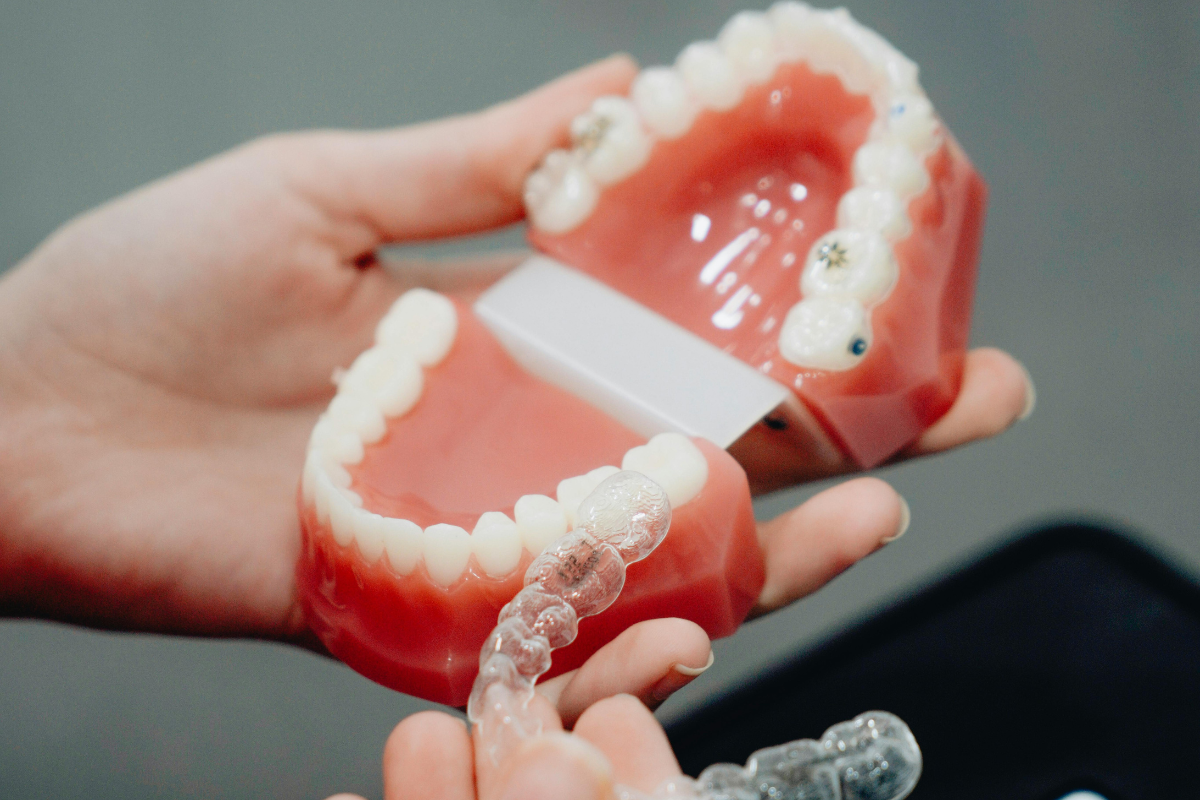
Invisalign uses a series of clear, custom trays instead of metal wires and brackets. You wear each tray for about one to two weeks, then switch to the next one in the set. Each new tray nudges your teeth a small step closer to their final position. Most people wear them 20 to 22 hours a day, taking them out only to eat, brush, and floss.
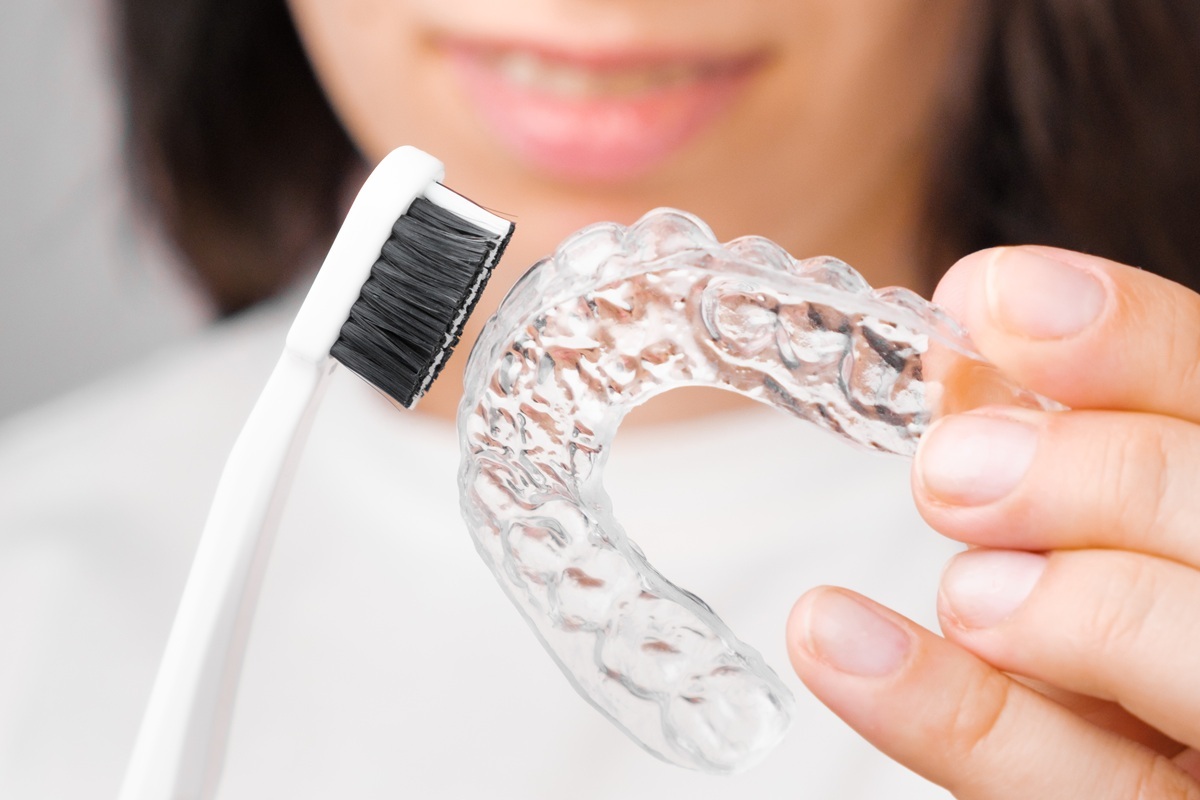
The trays are made from smooth plastic, so there is nothing to poke your cheeks. Because they pop in and out, you can still eat what you want and clean your teeth the normal way. That is the main reason so many adults pick this option over metal braces.
Dental Problems Invisalign Can Treat
Clear aligners were built to fix common bite and spacing problems, and they do a good job with most of them.
Mild to Moderate Crowding
When teeth do not have enough room, they twist, overlap, or push forward. Invisalign trays gently open up space and guide each tooth into a straighter row. This is one of the most common reasons people start treatment.
Gaps Between Teeth
Extra space between teeth can come from missing teeth, small teeth, or just genetics. Aligners close these gaps step by step, which also cuts down on food getting stuck and gum irritation in that area.
Minor Bite Issues
A slight overbite, underbite, or crossbite can often be corrected with aligners, especially when the jaw bones themselves are lined up close to normal. Fixing a bite is not only about looks. It also protects your teeth from uneven wear and jaw strain over time.
Relapse After Old Braces
Teeth shift over the years, even after braces in your teen years. If your smile has drifted, aligners can bring things back in line without starting over with brackets and wires.
Local invisalign fountain hills cases we see typically fall into these categories: mild crowding, small gaps, and minor bite problems that respond well to gradual movement. That is good news for anyone who wants straighter teeth without a mouth full of metal.
When Other Orthodontic Options May Be Needed
Invisalign is not the right tool for every job. Some cases need a different approach, and knowing this early saves time and frustration.
Severe Crowding or Rotated Teeth
When a tooth is badly twisted or teeth are packed in tight, trays may not have enough grip to turn it fully. Traditional braces use brackets and wires that can apply more direct, constant pressure on a stubborn tooth.
Major Bite or Jaw Problems
A large overbite, a jaw that is noticeably out of line, or teeth that do not meet correctly when you bite down often call for braces, and sometimes a referral to an orthodontic specialist. In some invisalign fountain hills consultations, the exam reveals a jaw issue that clear aligners cannot correct on their own.
Teeth That Need to Move Up or Down
Aligners are strong at moving teeth side to side. They are less effective at pulling a tooth up or pushing it down into place, which is sometimes needed after an injury or with certain missing tooth cases.
Young Patients With Baby Teeth Still Present
Kids who still have a mix of baby and adult teeth usually need a treatment plan built around their growing jaw, which traditional braces or early guidance appliances handle better than clear trays.
Patients Who Struggle With Compliance
Aligners only work if you wear them for the full 20 to 22 hours a day. Someone who tends to forget or loses things easily, especially a younger teen, may get better, faster results from fixed braces that stay in place the whole time.
Invisalign vs Other Orthodontic Options
Here is a simple side-by-side look to help you picture the difference.
| Feature | Invisalign (Clear Aligners) | Traditional Metal Braces | Clear (Ceramic) Braces |
| Visibility | Nearly invisible | Very visible | Less visible than metal |
| Best for | Mild to moderate crowding, gaps, minor bite issues | Severe crowding, complex bites, growing kids | Moderate cases where looks matter |
| Removable | Yes | No | No |
| Diet restrictions | None, trays come out to eat | Yes, sticky and hard foods limited | Yes, similar to metal braces |
| Average treatment time | 6 to 18 months | 18 to 24 months | 18 to 24 months |
| Care at home | Brush trays, floss as usual | Extra care around brackets | Extra care around brackets |
How to Know Which Option Fits Your Smile
The only real way to know is a hands-on exam. X-rays, photos, and a look at how your teeth meet let a dentist see what is happening below the surface, not just what shows in the mirror. From there, you get an honest answer about whether aligners will work or whether braces make more sense for your specific bite.
Meet Our Dentists
Dr. Dana Weinreich earned his DDS from the University of Iowa School of Dentistry in 1992 and worked as an associate dentist in Dayton, Ohio for seven years before taking over his current Fountain Hills practice in January 1999. He keeps up with ongoing training so his methods stay current, and his background covers cosmetic, restorative, and surgical dentistry. Outside the office, he enjoys golfing, flying, and spending time with his two children.
Dr. Jeremy Sant earned his DDS from the University at Buffalo in 2016 and serves as Clinic Director for A.T. Still University’s Arizona School of Dentistry and Oral Health AEGD Residency Program. He holds credentials as a Diplomate of the American Board of Oral Implantology and a Fellow of both the American Academy of Implant Dentistry and the Academy of General Dentistry, and he sits on the AAID’s Western District Leadership Committee. He is married, a father of five, and enjoys exercising, playing sports, and reading in his free time.
Dr. Mariya Murdzheva was born and raised in Bulgaria and moved to the United States in 2001. She graduated from Loma Linda University in 2003 and has practiced in Arizona ever since. She focuses on prevention, patient education, and building long-term relationships so every visit feels comfortable. She is married with two children, Natalie and Alex, and enjoys tennis, travel, and cooking.
Together, this team brings decades of combined training to every exam, which matters when the decision is between aligners and a different type of orthodontic care.
Frequently Asked Questions
1. How long does clear aligner treatment usually take?
Most people finish in 6 to 18 months, though this depends on how much movement your teeth need.
2. Does wearing aligner trays hurt?
You may feel mild pressure for a day or two after switching to a new tray. This is normal and fades quickly.
3. Are clear aligners only for teenagers?
No. Many adults choose this option because the trays are hard to notice at work or in photos.
4. What is the biggest difference between aligners and metal braces?
Aligners are removable and nearly invisible, while braces stay fixed on your teeth and can handle more complex movement.
5. Will I need a retainer once treatment ends?
Yes. Teeth naturally drift over time, so a retainer worn at night helps keep your results in place.
6. What if an exam shows my case is too complex for trays alone?
Your dentist will walk you through other options, such as braces, so your treatment plan actually matches your bite.
7. How often will I need a checkup during treatment?
Most plans include a visit every 6 to 8 weeks to check progress and hand out new trays.
8. Can I still eat normally during treatment?
Yes, since the trays come out before meals. Just brush before putting them back in.
Ready to Find Out What Your Smile Needs?
Every mouth is different, and the only way to know your real options is a proper exam, not a guess based on photos online. If you have been searching for invisalign fountain hills answers and want to know exactly where your smile stands, our team can walk you through it in a single visit. A dentist in fountain hills who already knows the local community can make that first step feel a lot less overwhelming.
Schedule a consultation with Dr. Dana A. Weinreich, DDS Family & Cosmetic Dentistry today, and get a clear, honest answer about which path fits your teeth best.