Follow us on-


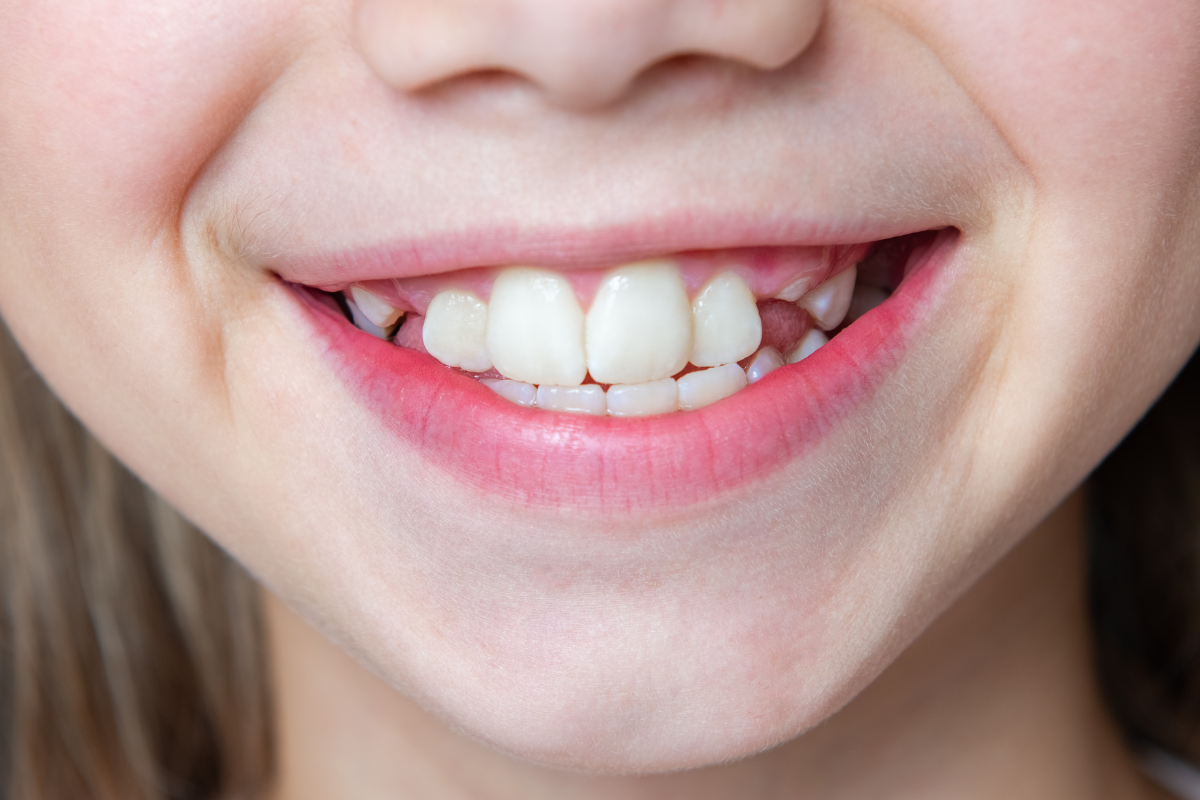
Losing a tooth feels like the problem ends once the gap stops hurting. It does not. Under the gum, your jawbone starts a slow, quiet change the moment a tooth root is gone. Most people never notice until neighboring teeth start to shift or their face begins to look different in photos. Anyone weighing dental implants fountain hills options is really asking a bigger question: what happens if I wait?
At Dr. Dana A. Weinreich, DDS Family & Cosmetic Dentistry, we see this pattern often. A tooth is lost to decay, injury, or gum disease, and the patient puts off replacing it because the gap is not painful. This guide explains what actually happens to your bone and your bite when a missing tooth is left alone, and why a dentist in Fountain Hills will usually recommend acting sooner rather than later.
Why a Tooth Root Matters More Than the Tooth Itself
The visible part of a tooth is only half the story. The root sits inside the jawbone and sends pressure signals every time you chew. That pressure tells your body to keep feeding blood and minerals to that section of bone, which keeps it strong and full.
Once the root is gone, that signal stops. The body reads the area as no longer needed and slowly stops maintaining it. This is the same reason a cast limb loses muscle after a few weeks. Without use, the body pulls resources away.
The Bone Loss Timeline After Losing a Tooth
Bone loss does not happen overnight, but it starts fast and keeps going if nothing fills the gap.
The First Few Months
Within the first six months, the bone in that area can lose up to 25 percent of its width. This happens mostly along the sides of the socket, where the bone was thinnest to begin with.
The First Year
By the end of the first year, height loss becomes noticeable too, not just width. The ridge of bone that used to support the tooth starts to flatten out.
Years Two and Beyond
Bone loss continues at a slower, steady pace for years if the space stays empty. Over time, this can change the shape of your jaw and even your face, since the bone under your cheeks and lips loses its support.
What Happens to the Teeth Around the Gap
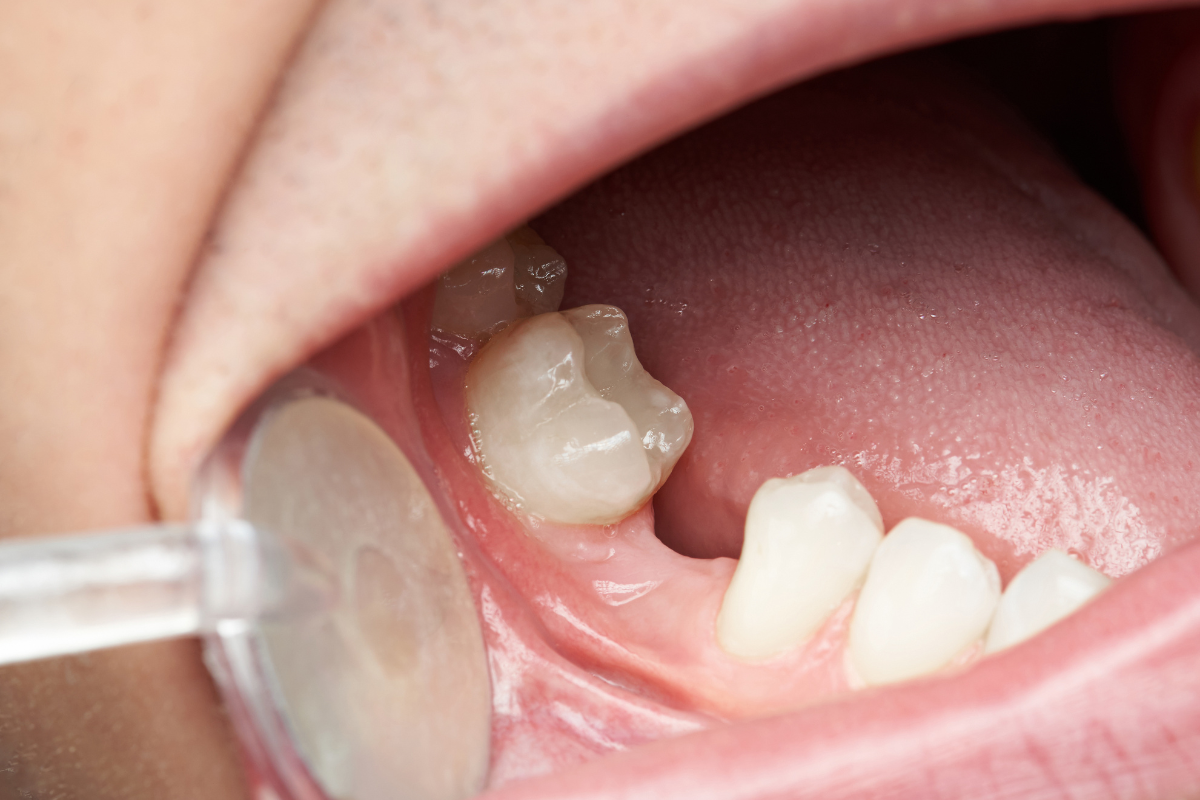
Bone loss is not the only issue. Teeth are built to lean on their neighbors, and an empty space breaks that balance.
Teeth start to drift
Nearby teeth tilt toward the open space, since there is nothing stopping them anymore.
Your bite shifts
The tooth across from the gap, on the opposite jaw, can grow longer over time because it no longer meets resistance when you bite down.
Cleaning gets harder
Tilted, shifted teeth create new tight spots that are tough to floss, which raises the risk of decay and gum disease in that area.
Jaw joint strain builds up
As your bite changes shape, some patients feel new pressure or clicking in the jaw joint from chewing unevenly.
Why the Bone Matters for Future Treatment
This is the part many people do not think about until later. Dental implants fountain hills patients ask about most often depend on healthy, solid bone to hold the implant post in place. The longer a gap sits empty, the more bone is lost, and the harder (and sometimes more expensive) it becomes to place an implant later, since a bone graft may be needed first.
Replacing a tooth early, while there is still enough bone, is almost always simpler than waiting years and rebuilding what was lost.
Comparing Your Replacement Options
Here is a simple look at how the common options stack up against doing nothing.
| Option | Stops Bone Loss? | Stops Teeth From Shifting? | Typical Lifespan | Feels Like a Natural Tooth |
| Do nothing | No | No | Gets worse over time | No |
| Removable partial denture | No | Partially | 5 to 8 years | Somewhat |
| Dental bridge | No | Yes | 10 to 15 years | Close |
| Dental implant | Yes | Yes | 20+ years, often a lifetime | Yes |
A dental implant is the only option on this list that replaces the root itself, which is exactly why it is the only one that keeps the bone active and healthy.
Signs You May Already Have Bone Loss
A few warning signs are worth a closer look during an exam.
- A gap that looks like it has sunk in compared to when the tooth first came out
- Nearby teeth that look tilted or crooked when they used to sit straight
- A denture or partial that no longer fits snugly
- Changes in your bite, like new gaps or teeth that touch differently than before
If any of this sounds familiar, an exam and an X-ray can show exactly how much bone remains and what your options look like.
How to Decide What Is Right for Your Mouth
There is no single right answer for every person. Bone level, overall health, budget, and how long the tooth has been missing all play a part. A short visit for X-rays and a bite check is usually enough to know where you stand and what will hold up best long term.
Meet Our Dentists
Dr. Dana Weinreich earned his DDS from the University of Iowa School of Dentistry in 1992. He worked as an associate dentist in Dayton, Ohio for seven years before taking over his current Fountain Hills practice in January 1999. His background spans general, cosmetic, restorative, and surgical dentistry, and he keeps up with ongoing training to stay current with new techniques. Outside the office, he enjoys golfing, flying, and spending time with his two children.
Dr. Jeremy Sant earned his DDS from the University at Buffalo in 2016 and serves as Clinic Director for A.T. Still University’s Arizona School of Dentistry and Oral Health AEGD Residency Program. His focus on implant dentistry runs deep. He has completed two AAID MaxiCourses, trained under Dr. Hilt Tatum, and holds credentials as a Diplomate of the American Board of Oral Implantology and a Fellow of both the American Academy of Implant Dentistry and the Academy of General Dentistry. He also sits on the AAID’s Western District Leadership Committee and its Foundation board. He is married, a father of five, and enjoys exercising, playing sports, and reading.
Dr. Mariya Murdzheva was born and raised in Bulgaria and moved to the United States in 2001. She graduated from Loma Linda University in 2003 and has practiced in Arizona ever since. She puts a strong focus on prevention and patient education, working to help every patient understand their options in plain terms. She is married with two children, Natalie and Alex, and enjoys tennis, travel, and cooking.
This mix of general dentistry and focused implant training means bone health and tooth replacement get looked at from more than one angle before any plan is set.
Frequently Asked Questions
1. How fast does bone loss start after a tooth is pulled or lost?
Changes begin within weeks, and noticeable width loss can happen within the first six months.
2. Can lost jawbone grow back on its own?
No. Once the bone shrinks from lack of use, it does not rebuild itself without help, such as a bone graft.
3. Does a missing back tooth matter if no one can see it?
Yes. Back teeth carry most of your chewing force, so losing one still affects your bite and bone even though it is not visible when you smile.
4. Is it too late to fix bone loss if it has already happened?
Often no. A bone graft can rebuild lost width and height in many cases, which then allows for a stable, long term replacement.
5. How long does a bone graft take to heal before further treatment?
Healing time varies, but it commonly takes a few months before the area is ready for the next step.
6. Are dentures a permanent fix for a missing tooth?
Dentures replace the visible tooth but do not stop bone loss underneath, since they do not include a root.
7. What is the biggest risk of waiting too long to replace a tooth?
The main risk is losing enough bone that future treatment becomes more involved, more costly, or more limited in options.
8. Does age affect how well the jaw heals after treatment?
Healthy adults of most ages heal well, though overall health and habits like smoking play a bigger role than age alone.
Do Not Wait for the Gap to Become a Bigger Problem
A missing tooth rarely stays a small issue. The bone underneath keeps changing whether you notice it or not, and every year that passes can make treatment more complex. If you have been putting off dental implants fountain hills questions because the gap does not hurt, an exam now can save you time, money, and bone later. Our dentist in fountain hills always check your bone level and gives you real options instead of fewer ones down the road.
Schedule a consultation with Dr. Dana A. Weinreich, DDS Family & Cosmetic Dentistry, and find out exactly where your jawbone and your options stand right now.