Follow us on-


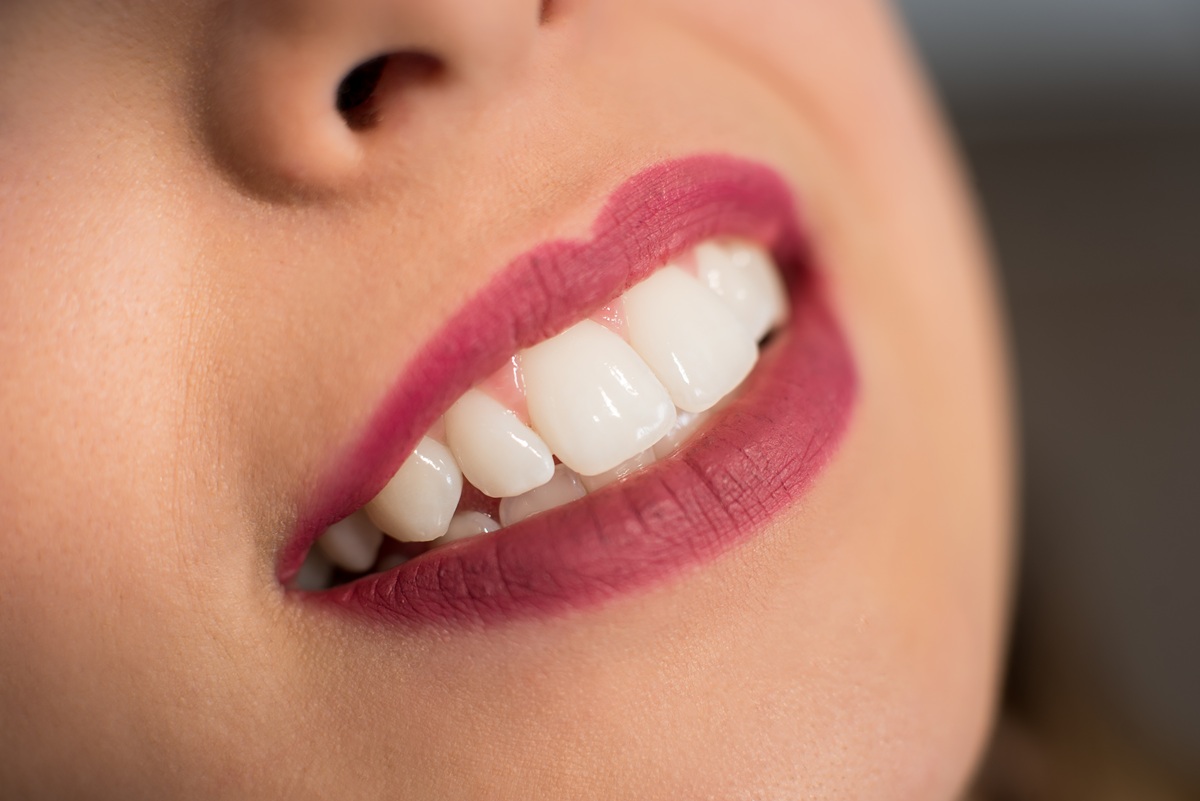
You whitened your teeth, and something still looks off. One crown stays darker than its neighbors. A gray front tooth did not budge. Or the color is fine, but the smile feels uneven.
Whitening is a great tool, but it has one job. It lifts stains from natural tooth structure. It cannot change the color of a crown, close a gap, smooth a chipped edge, or fix a tooth that darkened from the inside. Color is only one part of how a smile looks. When whitening is not enough, the answer is usually a different treatment, not more gel.
That is not bad news. It means your dentist can match the treatment to the real cause. A short exam shows what is behind the color problem. This guide covers the issues whitening cannot solve, how each one is treated, and how to spot the difference before you buy another kit. Many people who book teeth whitening fountain hills dentists provide for the first time learn at the exam that one or two teeth need a different plan. That early answer saves time and money.
How Whitening Works, and Where It Stops
Whitening gel seeps into tiny pores in the enamel and breaks apart stain molecules. It works well on color from coffee, tea, red wine, tobacco, and age. Results usually last from six months to two years, depending on your habits.
The gel only acts on natural tooth structure. It does nothing to porcelain, tooth-colored fillings, or bonding material. It also cannot change the shape, size, or position of a tooth, and it cannot treat decay or gum problems.
Common Problems Whitening Cannot Fix
Crowns, Veneers, and Fillings That Do Not Match
Dental materials do not respond to whitening gel. If you whiten your natural teeth, a crown or filling can start to look darker beside them. A dentist can replace the restoration to match your new shade. Options include porcelain crowns, porcelain veneers, and white fillings.
Teeth Darkened From the Inside
A hard knock or an old injury can damage the nerve, and the tooth slowly turns gray or brown from within. Surface whitening cannot reach that color. Your dentist checks the tooth first, because a dark tooth can signal infection. Treatment may include a root canal, whitening from the inside of the tooth, or a crown or veneer.
Deep or Banded Stains
Some stains form while teeth are still growing. Certain antibiotics, such as tetracycline, taken in childhood can leave gray or brown bands. Too much fluoride during development, called fluorosis, can leave white patches or brown spots. Mild cases may brighten with whitening. Stronger cases often need bonding or veneers to cover the color.
Thin Enamel and Yellow Dentin
Enamel wears thin with age, acid reflux, grinding, and hard brushing. Underneath it sits dentin, which is naturally yellow. When enamel thins, teeth look yellow no matter how much you whiten. Bonding or veneers can rebuild the surface, and your dentist can help you find the cause of the wear.
Crooked, Gapped, or Overlapped Teeth
Sometimes the color is not the issue at all. Crowding, gaps, and uneven spacing catch the eye more than shade. Clear aligners like Invisalign, clear braces, or metal braces move teeth into line. Many people whiten after alignment, so the finished smile is bright and even.
Chips, Cracks, and Cavities
A chipped edge or a dark pit looks like a stain, but it is damage. Whitening does not repair it and can make a sore spot more sensitive. Cavities need treatment first. Bonding can smooth chips, and white fillings can restore decayed teeth in a natural shade.
Quick Comparison: Match the Problem to the Fix
Use this chart to sort your concern. During the professional teeth whitening process, dentists perform best on stains in natural teeth, so the right-hand column shows what to consider when your problem sits somewhere else. Your exam confirms the true cause.
| Concern | Why Whitening Falls Short | Better Approach |
| Crown, veneer, or filling looks darker | Materials do not change color with gel | Replace to match your shade |
| One gray or brown tooth after an injury | Color comes from inside the tooth | Exam, then root canal, inside whitening, crown, or veneer |
| Bands or brown spots since childhood | Stain sits deep in the tooth | Bonding or veneers, sometimes whitening first |
| Teeth look yellow and thin | Yellow dentin shows through worn enamel | Bonding or veneers |
| Crowding or gaps | The issue is position, not shade | Invisalign or braces |
| Chips or uneven edges | The issue is shape | Bonding or veneers |
| Dark pits or spots | Decay needs treatment | White fillings |
Quick Self-Check: Is Whitening Enough for You?
Answer yes or no to each statement.
- ☐ My stains come from coffee, tea, wine, or tobacco.
- ☐ My teeth look evenly yellow or dull, not gray, banded, or spotted.
- ☐ I have no crowns, veneers, or large fillings in my smile zone.
- ☐ My teeth are straight, with no chips or gaps that bother me.
- ☐ My gums and teeth are healthy, with no sore or sensitive spots.
Five yes answers point toward whitening as a good fit. Each no answer is a clue that a second treatment may help. A dentist can confirm in one exam.
What to Expect at Your Exam
A good exam answers one question: why do these teeth look the way they do? The dentist checks your teeth, gums, and past dental work, and may take x-rays. Decay and gum disease get treated first, since whitening can irritate both.
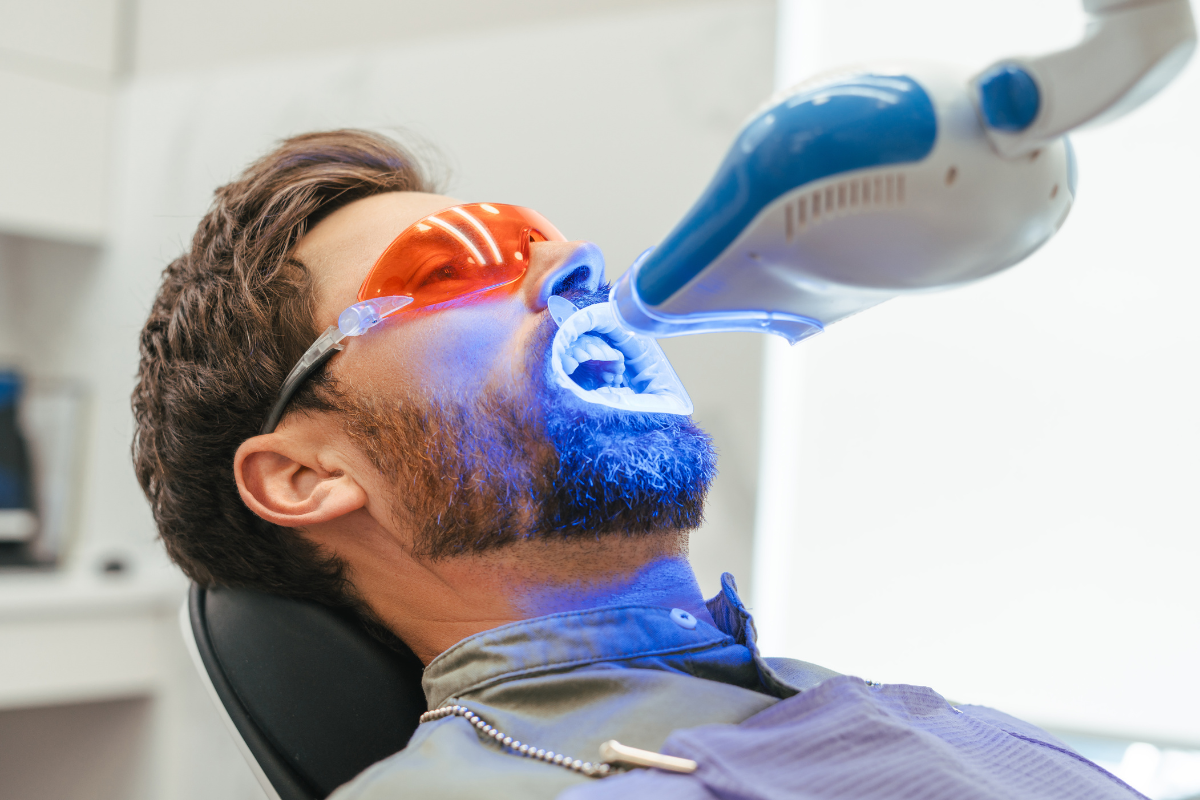
The next step is a plan. It might be whitening alone, or whitening followed by bonding, veneers, crowns, or aligners. Order matters here. Whiten first, then match any new restoration to your brighter shade. If you plan to start with teeth whitening fountain hills dentists can do in the office or with take-home trays, ask the team to record your final shade before any crown or veneer is ordered. Doing it in reverse is the most common reason for a mismatch.
Everyday Habits in the Desert
Iced coffee, sweet tea on the patio, sports drinks after a round of golf, and red wine at dinner all add stain and sugar. Arizona’s dry heat also dries the mouth, and saliva is what rinses stains and acid away.
Sip water through the day, especially after dark drinks. Brush twice a day with a non-abrasive toothpaste, and keep your cleanings on schedule. Cleanings remove surface stain that brushing misses, and they keep results fresh longer.
Meet the Doctors Behind Your Care
Three dentists serve the Fountain Hills office, each with a different strength.
Dr. Dana Weinreich earned his DDS from the University of Iowa School of Dentistry in 1992 and spent seven years in private practice in Dayton, Ohio. He acquired his Fountain Hills practice in January 1999 and moved it to its Saguaro Blvd location in 2008. His experience spans cosmetic, restorative, and surgical care, and he keeps up with continuing education.
Dr. Jeremy Sant earned his DDS from the University at Buffalo in 2016 and performs the implant procedures at the practice. He is a Diplomate of the American Board of Oral Implantology and a Fellow of both the American Academy of Implant Dentistry and the Academy of General Dentistry. He also serves as Clinic Director for the AEGD Residency Program at A.T. Still University’s Arizona School of Dentistry and Oral Health. If a smile problem involves a missing tooth, his implant training matters.
Dr. Mariya Murdzheva graduated from Loma Linda University in 2003 and has practiced in Arizona since that year. She values prevention, patient education, and long-term relationships. That focus fits the first step of any cosmetic plan, which is a healthy mouth.
Making an Informed Decision
Whitening is the right first step for many smiles, and it is the wrong one for others. If your stains are surface level and your teeth are healthy, it can do a lot. If a crown, a gray tooth, thin enamel, or crooked teeth are the real problem, another treatment will serve you better and save you from repeat kits.
If you are ready to compare teeth whitening Fountain Hills has to offer against veneers, bonding, or braces, bring a few photos of your smile and a list of what bothers you most. The team can explain each option, the timeline, and the trade-offs in plain words. Ask about insurance and financing options at the same time.
Ready to talk it through? Schedule a consultation with Dana A. Weinreich, DDS Family & Cosmetic Dentistry. You can request an appointment online also.
Frequently Asked Questions
1. Why did my teeth whiten unevenly?
Uneven results usually come from restorations that do not change color, deep stains in some teeth, or enamel that varies in thickness. An exam shows which cause applies to you.
2. Will whitening change the color of my crowns or veneers?
No. Porcelain, bonding, and fillings stay the same shade. If you want a match, the restoration may need replacing after you whiten.
3. Why is one tooth gray?
A gray tooth often means the nerve was damaged by an injury or deep decay. Have it checked, because it can signal infection.
4. Can whitening fix gaps or chips?
No. Whitening changes color only. Bonding, veneers, or aligners handle shape and spacing.
5. Should I whiten before or after veneers?
Before. Veneers are made to match the shade you have at the time, so whiten first and then choose your veneer color.
6. Is whitening safe if I have sensitive teeth or gum problems?
It can be, but you should treat decay and gum disease first. Mild sensitivity is common and usually fades in a few days. Your dentist can adjust the strength or method.
7. How do I know if my stains are surface or deep?
Surface stains look yellow or brown and match your habits, like coffee or tobacco. Deep stains often appear gray, banded, or spotted. A dentist can tell for sure.
8. Do store-bought kits work for stains that are not on the surface?
They can brighten mild surface stain, but they do not reach internal discoloration or change dental materials. Look for the American Dental Association Seal of Acceptance, and ask your dentist before you start.