Follow us on-



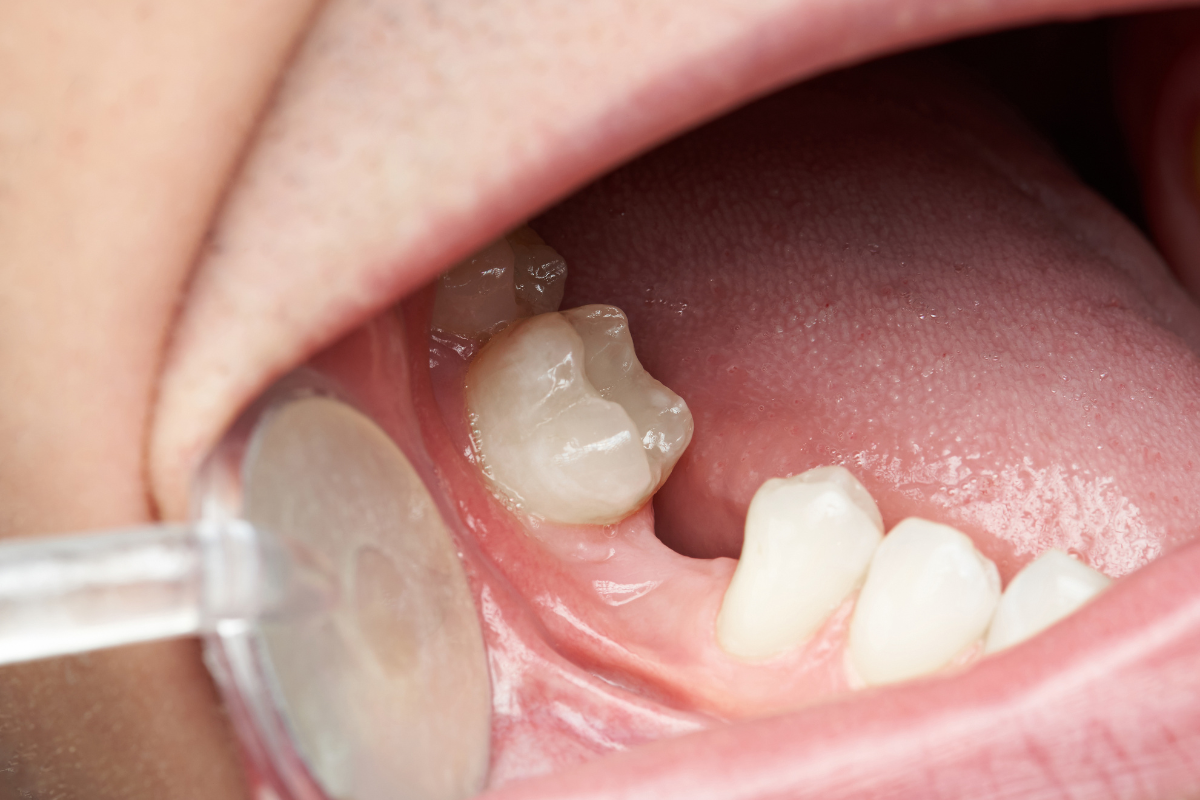
You have been missing a tooth for years. You finally decide to fix it, and then you hear the words, “You may not have enough bone.” It is a letdown, but it is not the end of the road.
Many people who ask about dental implants Fountain Hills dentists place learn they need a little more bone first. This is common, and it can be fixed. A bone graft rebuilds the base that an implant needs, so the final tooth stays strong for years.
This guide explains why bone is lost, how grafting works, and what to expect from start to finish.
Why an Implant Needs Strong Bone
A dental implant is a small titanium post. It acts like a tooth root. Over a few months, your jawbone grows around the post and locks it in place. Dentists call this osseointegration.
For this to work, the bone must be tall, wide, and dense enough to hold the post. If it is too thin or soft, the implant can loosen or fail. A graft adds the missing support.
Why Jawbone Shrinks
Bone stays strong when it gets used. Tooth roots send small forces into the jaw when you chew, and that keeps the bone alive. When a tooth is gone, the bone in that spot starts to shrink.
Common causes include:
- Missing teeth that were never replaced
- Gum disease, which attacks the bone
- Long-term denture wear
- Injury or infection
- A tooth pulled without saving the socket
- Upper back teeth where the sinus sits close to the bone
Bone loss can be fast in the first year after a tooth is lost. Waiting makes the problem larger.
What Is a Bone Graft?
A bone graft is a small procedure that adds bone material to the jaw. Over time, your body replaces this material with its own living bone. The graft acts like a scaffold that your bone grows into.
The American Academy of Periodontology explains that grafting can rebuild bone lost to gum disease or tooth loss, which helps make implants possible for more people.
Where the Graft Material Comes From
| Type | Source | Common Use | Good to Know |
| Autograft | Your own bone, often from another spot in your mouth | Small to moderate gaps | Your body accepts it well, but it needs a second site |
| Allograft | Donated human bone, processed and tested | Many routine grafts | Widely used and safe, no second site needed |
| Xenograft | Purified bone from an animal source, often bovine | Sockets and sinus lifts | Acts as a scaffold your bone replaces over time |
| Synthetic graft | Lab-made material | Smaller defects | No donor needed, results vary by case |
Your dentist will explain which one fits your case and why.
Types of Bone Grafting Procedures
Different areas of the jaw need different approaches.
| Procedure | What It Does | Often Used When |
| Socket preservation | Fills the empty socket right after a tooth is pulled | You are having a tooth removed and plan an implant later |
| Ridge augmentation | Rebuilds the height or width of the jaw ridge | The ridge is too thin or too short for an implant |
| Sinus lift | Adds bone under the sinus floor in the upper jaw | Upper back teeth are missing and bone is thin |
Socket preservation is often the easiest way to avoid bigger grafts later. If you know a tooth must come out, ask about it before the extraction.
How Do You Know If You Need a Graft?
You cannot tell by looking in the mirror. Your dentist checks with:
- A full exam of your gums and teeth
- Digital X-rays
- A 3D scan (CBCT) to measure bone height, width, and density
These images show exactly how much bone you have and where the nerves and sinuses sit. They also help your dentist plan the exact spot for the implant. This kind of planning is the reason many implant cases go smoothly.
What to Expect Step by Step
- Consultation and scans. Your dentist reviews your health, your goals, and your imaging.
- Treatment plan. You learn if a graft is needed, which type, and what it will cost. Ask for a clear written plan.
- Grafting visit. The area is numbed. The dentist places graft material and covers it so it can heal. Many people feel pressure but not pain.
- Healing. The graft turns into your own bone. This often takes about 3 to 6 months, though it varies.
- Implant placement. Once the bone is ready, a titanium post is placed. Sometimes a graft and an implant can be done on the same day if the bone allows it.
- Integration. Over several months, the bone fuses to the implant.
- Final tooth. A custom crown, bridge, or denture is attached.
Recovery Tips
- Take medicine only as your dentist directs.
- Use cold packs on the cheek for the first day.
- Eat soft, cool foods and avoid chewing on the graft site.
- Do not smoke, because it slows healing and raises the risk of failure.
- Rinse gently as told. Do not poke the area with your tongue or fingers.
- Keep follow-up visits.
If you have heavy swelling, a fever, or pain that gets worse after the first few days, call your dentist.
Is Grafting Worth It?
For many people, yes. Here is a simple way to think about it.
| Option | Pros | Cons |
| Bone graft, then implant | Strong base, protects the jaw, long-lasting tooth | Longer timeline, extra procedure |
| Implant without a graft | Faster when bone is enough | Not safe if bone is thin |
| Bridge | Quicker, no surgery on the jaw | Uses neighboring teeth, does not stop bone loss |
| Denture | Lower upfront cost | Can shift, does not stop bone loss |
The American Dental Association notes that implants help keep the jawbone active, which bridges and dentures cannot do.
Local Tips for Fountain Hills
A few things matter when you plan care here.
Plan around your travel
Grafting means several visits over a few months. If you spend part of the year in another state, share your calendar with your dentist. A good plan avoids long gaps in healing checks.
Mind the heat
Hot weather and dehydration can slow comfort during recovery. Drink plenty of water and keep to cool, soft foods.
Stay close for follow-ups
Healing checks are short but important. Dental implants Fountain Hills offices provide nearby make it easier to keep each visit. Our office on N. Saguaro Blvd. is open Monday through Thursday from 7 a.m. to 4 p.m. and Fridays from 8 a.m. to 1 p.m.
Ask about costs and coverage
Ask about insurance and financing before treatment starts. Our site lists insurance and financing details.
Final Thoughts
Not enough bone does not rule out an implant. A graft can rebuild what is missing, and careful planning with 3D scans takes out much of the guesswork. The key is to act before more bone is lost.
If you are curious about your own options, schedule a consultation with Dr. Dana A. Weinreich, DDS Family & Cosmetic Dentistry. We will review your scans, explain your choices in plain words, and give you a clear plan. For many people, dental implants Fountain Hills care teams prepare with a bone graft lead to a strong, natural-looking smile that lasts.
Frequently Asked Questions
1. Does everyone who needs an implant need a bone graft?
No. Only people with too little bone in the area need one. Scans show how much bone you have.
2. Is a bone graft painful?
The area is numbed during the procedure. Most people report soreness and swelling for a few days, which can be eased with medicine as your dentist directs.
3. How long does a bone graft take to heal?
Healing often takes about 3 to 6 months. The time depends on the type of graft, your health, and the area treated.
4. Can a graft and an implant be done together?
Sometimes. If your bone can hold the implant steady, your dentist may do both in one visit. Others need to heal first.
5. What is a sinus lift?
A sinus lift adds bone beneath the sinus in the upper jaw. It makes room for implants in the upper back teeth.
6. Can a bone graft fail?
It can, though it is not common. Smoking, poor gum health, and skipping aftercare raise the risk. Follow your dentist’s steps closely.
7. Is donor bone safe?
Yes. Donor bone is processed and tested before use. Your dentist will explain the source for your case.
8. What if I wait too long to replace a tooth?
Bone keeps shrinking, so a graft may become larger. An early visit often means a simpler plan.