Follow us on-


Your denture used to fit well. Now it slips when you laugh, clicks when you talk, and a crisp apple feels like a gamble. If that sounds familiar, the denture may not be the real problem. The bone under it may be.
Bone stays strong when it has a job to do. Tooth roots send small forces into the jaw each time you chew, and that keeps the bone dense. Once the roots are gone, the jaw slowly shrinks. The American College of Prosthodontists reports that more than 36 million Americans have no teeth, and about 90 percent of them wear dentures. Many are later told they have too little bone for an implant. That is often not the end of the story.
This guide covers what happens to the jaw, which options exist, and how a careful plan can still make implants possible. Many people start their search for dental implants fountain hills offices provide after a reline fails to fix a loose denture. Before you choose, it helps to know why the fit changed.
What Happens to the Jawbone After Teeth Are Lost
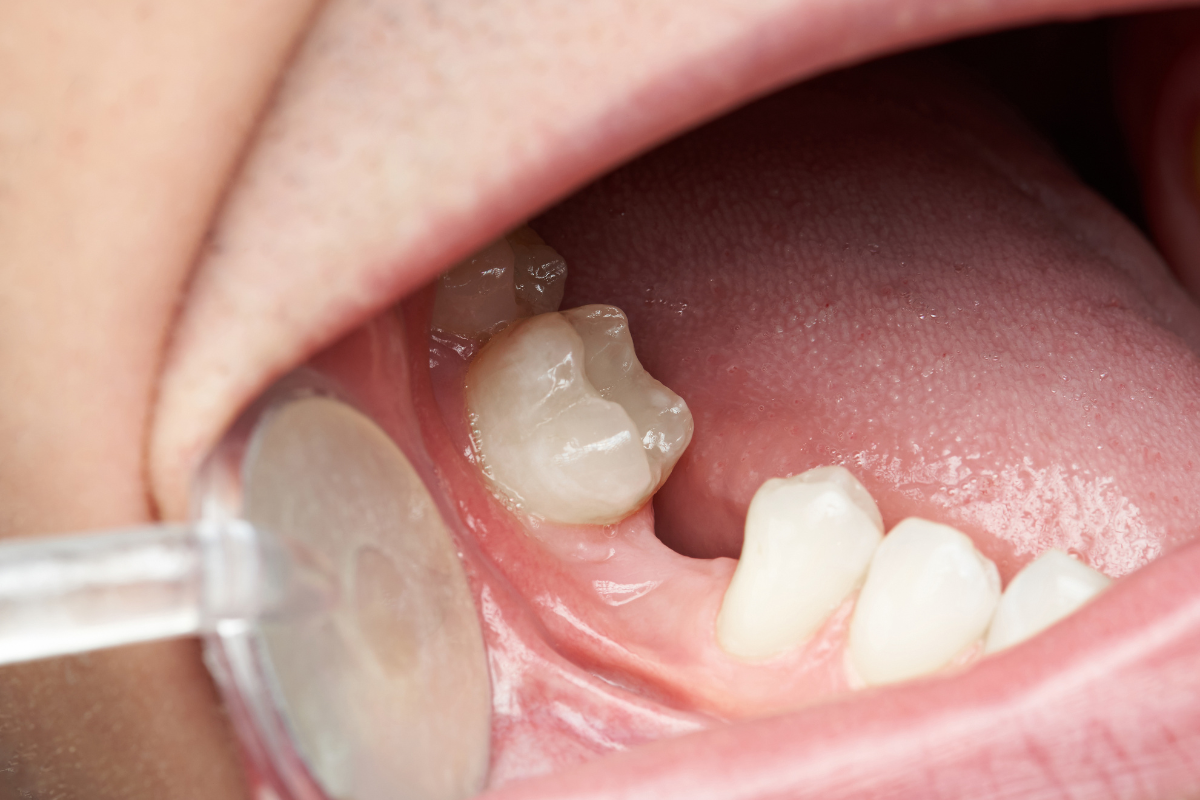
A denture rests on the gums. It does not reach into the bone, so it cannot replace the signal a tooth root sends. The pressure of a denture can also wear the ridge down over time, especially in the lower jaw.
Bone loss is fastest in the first year after teeth are removed, then it continues slowly for life. After ten or twenty years in dentures, the lower ridge can be thin and flat. In the upper jaw, the sinus can drop lower into the space where bone used to be.
Common signs of bone loss in long-term denture wearers:
- A loose fit, even after relines
- Sore spots and rubbing
- Daily use of adhesive
- A shorter, sunken look in the lower face
- Trouble chewing firm foods like steak, nuts, or raw carrots
Quick Self-Check: Is Your Denture Telling You Something?
Read each statement and count your yes answers.
☐ My denture moves when I eat or speak.
☐ I skip certain foods or social events because of it.
☐ My denture has been relined or remade more than once in five years.
☐ My lips look thinner, or my chin sits closer to my nose.
☐ I need adhesive every day.
Two or more yes answers mean your bone and fit deserve a closer look. A dentist can start that check in one visit.
Can You Still Get Implants With Less Bone?
Often, yes. Low bone volume does not close the door. It changes the plan.
The first step is a 3D scan, called a cone beam CT. It shows bone height and width, plus the location of nerves and sinuses, which a flat x-ray cannot. Planning decides everything here. The scan shows whether your jaw can hold dental implants Fountain Hills dentists place without extra work, or whether a rebuilding step comes first. Either way, you get a clear plan before treatment begins.
When bone is thin, your dentist may suggest one of these paths:
- Bone grafting. Bone material is added to the ridge to rebuild height or width. Healing takes several months.
- Sinus lift. In the upper back jaw, the sinus floor is raised and filled with graft material to make room for an implant.
- Careful placement. Implants are set where the bone is strongest, using the length and width your scan supports.
- Fewer implants. Two implants can anchor a lower denture. Consensus statements from McGill University (2002) and the University of York (2009) name this as a first-choice treatment for people with no teeth in the lower jaw.
Not every mouth is a match. Uncontrolled diabetes, active gum disease, and smoking raise the risk of failure, so your dentist reviews your health first. Dentures stay a sound choice for some people, and you should hear that plainly if it applies to you.
Your Options Compared
This chart shows how three common choices differ. Your own plan may vary.
| Feature | Traditional Denture | Implant Overdenture (Removable) | Fixed Implant Bridge (Full Arch) |
| How it stays in place | Suction and adhesive | Snaps onto implants | Screwed onto implants |
| Bone stimulation | None | Yes, at implant sites | Yes, at implant sites |
| Chewing strength | Lowest | Better | Closest to natural teeth |
| Daily removal | Yes | Yes | No |
| Typical implant count | None | Often 2 to 4 | Often 4 to 6 |
| Bone needed | None | Moderate | Most |
| Treatment time | Weeks | Several months | Several months or more |
An overdenture is a good fit when bone is limited and you want a firmer denture. A fixed bridge feels most like natural teeth but usually asks for more bone, so a graft is more likely.
What the Process Looks Like
Every plan is personal, but most cases follow these steps:
- Exam and 3D scan. Your dentist checks gums, bone, bite, and your current denture.
- Treatment plan. You review the options, timeline, and any graft needs.
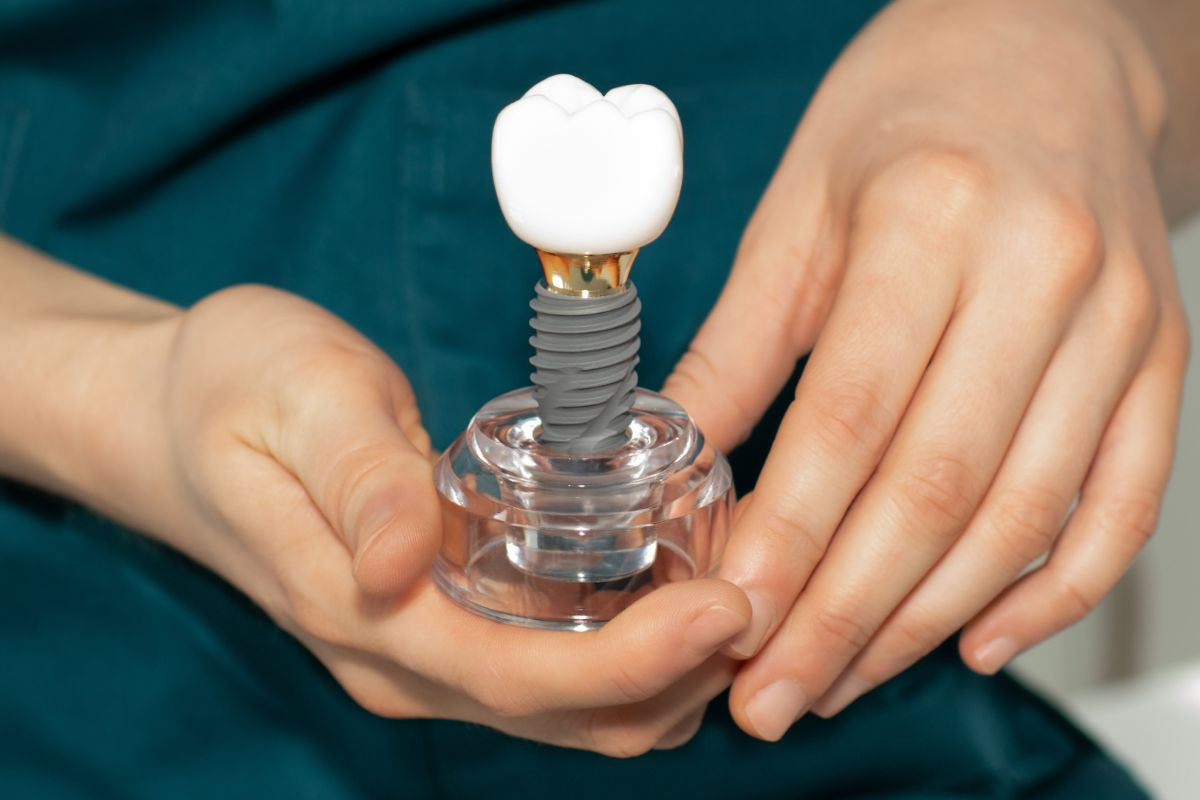
- Implant placement. A titanium post is set in the jaw under local anesthesia. Ask about sedation if you feel nervous.
- Healing. Over several months, bone grows around the post in a process called osseointegration. A temporary denture can be adjusted during this time.
- Final teeth. A custom crown, bridge, or denture is attached to the implants.
- Follow-up. Regular checkups keep the gums and bone healthy.
Meet the Doctors Who Guide Your Care
Three dentists serve the Fountain Hills office, and each brings a different strength.
Dr. Jeremy Sant earned his DDS from the University at Buffalo in 2016 and performs the implant procedures at the practice. As an implant dentist in Fountain Hills, AZ, he holds credentials as a Diplomate of the American Board of Oral Implantology, a Fellow of the American Academy of Implant Dentistry (AAID), and a Fellow of the Academy of General Dentistry. He has completed two AAID MaxiCourses, serves as Clinic Director for the AEGD Residency Program at A.T. Still University’s Arizona School of Dentistry and Oral Health, and sits on the AAID Western District Leadership Committee and the AAID Foundation board.
Dr. Dana Weinreich earned his DDS from the University of Iowa School of Dentistry in 1992 and worked in private practice in Dayton, Ohio, for seven years. He acquired his Fountain Hills practice in January 1999 and moved it to its Saguaro Blvd location in 2008. His experience spans cosmetic, restorative, and surgical care, and he keeps up with continuing education.
Dr. Mariya Murdzheva graduated from Loma Linda University in 2003 and has practiced in Arizona ever since. She puts weight on prevention, patient education, and long-term relationships. Those habits matter a great deal once implants are in place.
Everyday Care in the Desert
Home care is simple. Brush twice a day, clean between teeth and around the implants with floss or small brushes, and keep your cleaning visits. Gum disease is the main threat to an implant, and dental implants Fountain Hills dentists place last longest when the gums stay healthy. With good care, implants can last 20 years or more.
Arizona’s dry air and summer heat make it easy to get dehydrated, and a dry mouth raises the risk of gum trouble. Carry water on walks around Fountain Park or hikes in the McDowell Mountains. Sip often, and cut back on sugary sports drinks.
Making an Informed Decision
A loose denture is not a life sentence, and low bone is not an automatic no. Your scan, your health, and your goals decide the best route. Some people do well with a snap-in denture, some want fixed teeth, and some choose to keep a well-made denture.
If you want to compare dental implants with your current denture, bring the denture to your first visit. The team can check the fit and show you where the bone stands. Ask about insurance and financing options at the same time, so there are no surprises.
Ready to talk it through? Schedule a consultation with Dana A. Weinreich, DDS Family & Cosmetic Dentistry.
Frequently Asked Questions
1. Can I get implants after wearing dentures for many years?
Usually, yes. Years in dentures often mean less bone, but a scan shows what you have. A graft or a different implant plan can fix many bone problems.
2. How do I know if I have enough bone?
Only imaging can tell. A 3D scan measures bone height and width and maps nerves and sinuses, so your dentist can plan with real numbers.
3. Is bone grafting painful?
Most people feel pressure and mild soreness. Numbing keeps the procedure comfortable, and over-the-counter pain relievers usually handle the soreness afterward.
4. How long does the whole process take?
It varies. Healing after implant placement takes several months, and a graft adds more time. Your dentist gives a timeline after your scan.
5. Can I wear my denture while I heal?
Often, yes. Your dentist can adjust or soften the denture so it does not press on the healing area. Plans differ, so ask before treatment starts.
6. How long do implants last?
With good care and regular checkups, implants can last 20 years or more. Daily cleaning and healthy gums are the biggest factors.
7. Are implants safe if I have diabetes or another health condition?
Many people with well-controlled health conditions do well. Your dentist reviews your medical history and may speak with your doctor first. Smoking raises the risk of failure, so quitting helps.
8. Will insurance or financing help with the cost?
Coverage depends on your plan. The office can review your benefits and explain financing options before you decide.