Follow us on-


You take a pill for your heart, another for your joints, and maybe a blood thinner every morning. Then your dentist mentions an implant, and a fair question comes up: will my health history get in the way? In most cases, it can be managed. Your dentist just needs the full picture first.
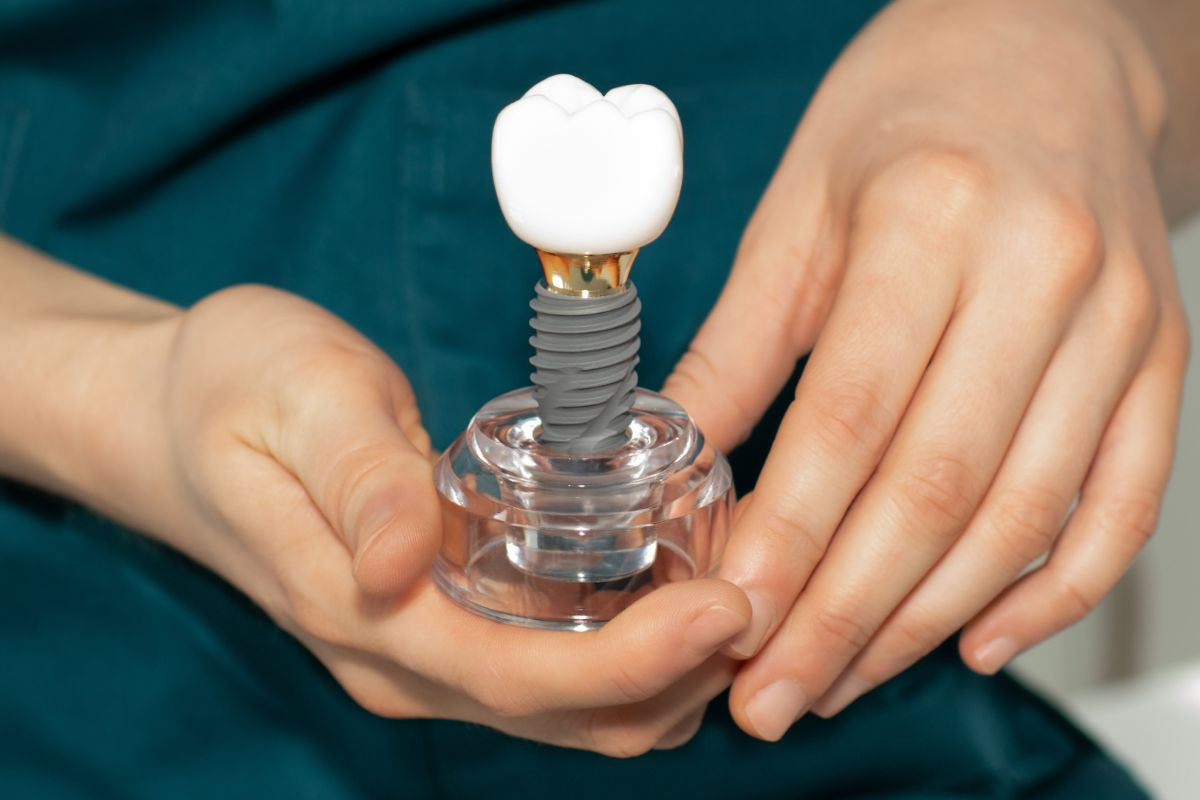
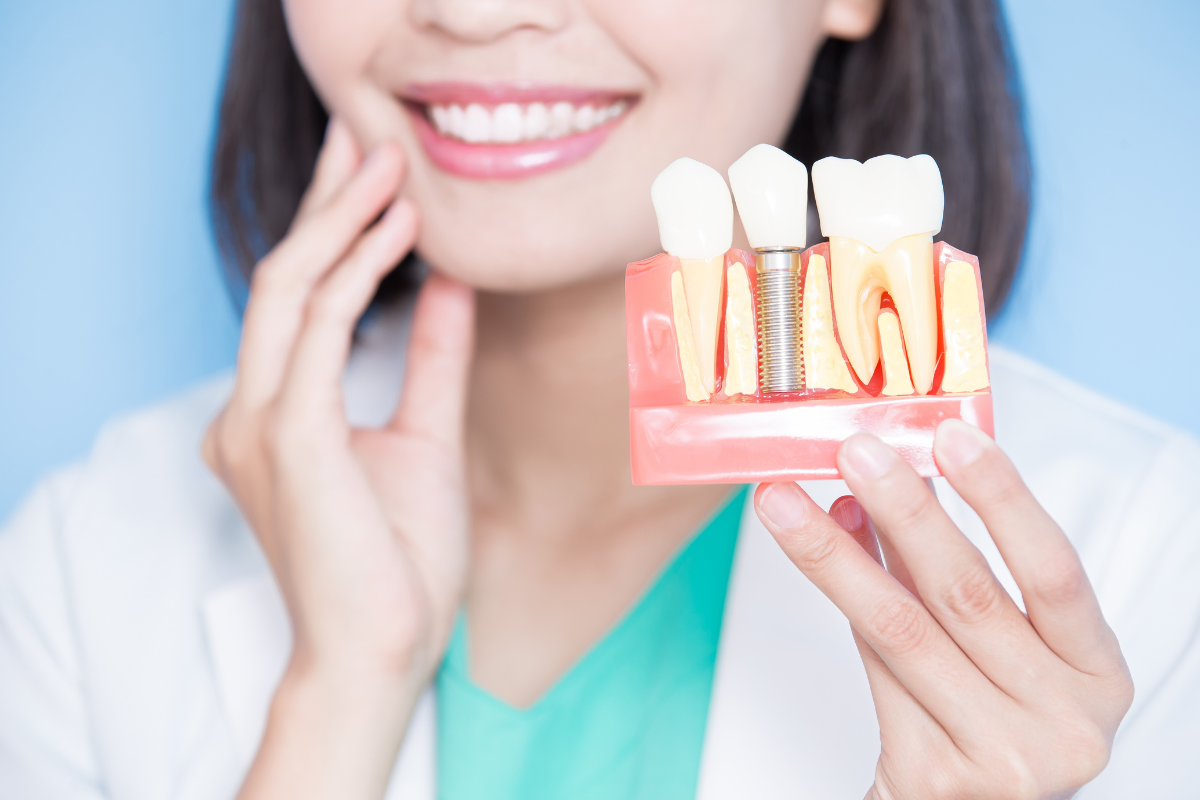
Implants work because bone grows tightly around a small titanium post. Anything that slows healing, thins the bone, or raises the risk of infection can change the plan. Most long-term conditions do not rule implants out. They call for good timing, a talk with your doctor, and a few extra steps. Think of it as a safety check, not a test you can fail. Dental groups such as the American Academy of Implant Dentistry (AAID) advise a full medical review before any implant surgery.
This guide covers the conditions and drugs that matter most, what your dentist may ask, and how to get ready. People who look into dental implants Fountain Hills offices provide often have a long medication list, so a clear plan helps. Keep reading, then use the checklist near the end.
How Health and Medicines Affect Healing
An implant needs three things from your body: healthy bone, good blood flow, and a strong response to germs. Some conditions and medicines touch one or more of these.
- Bone healing: Some bone drugs and radiation change how the jaw repairs itself.
- Blood flow: Diabetes, smoking, and past radiation can reduce it.
- Infection control: Steroids and other immune-lowering drugs make it harder to fight germs.
- Bleeding: Blood thinners can make surgery harder to manage.
None of these is an automatic no. They are flags that tell your dentist where to look closer.
Conditions That Often Need Extra Planning
The goal is a safe yes, not a quick no. Your dentist weighs your diagnosis, your drug dose, how long you have taken it, and how stable your health is. If you are comparing dental implants fountain hills dentists offer with a bridge or denture, ask each office how it handles medical review. The answer tells you a lot about the care you will get.
Diabetes
Well-controlled diabetes usually does not stop implant treatment. High blood sugar is the problem, because it slows healing and raises infection risk. Your dentist may ask for a recent A1C result, which shows your average blood sugar over about three months. If your numbers run high, your doctor may adjust treatment first.
Osteoporosis and Bone-Strengthening Drugs
Osteoporosis itself is not a barrier. The drugs used to treat it need a closer look. These include bisphosphonates (such as alendronate) and denosumab. In rare cases they are linked to a jaw problem called medication-related osteonecrosis of the jaw (MRONJ), where exposed jaw bone fails to heal.
The risk is low for people taking oral pills for osteoporosis. It is higher with IV doses given for some cancers. Never stop these drugs on your own. Your dentist and prescribing doctor decide together whether and when to proceed.
Head and Neck Radiation
Radiation can reduce blood supply to the jaw for years. Surgery in that area carries a risk of osteoradionecrosis, a serious bone-healing problem. If you had radiation to the head or neck, your dentist will want records from your cancer team and may refer you to a specialist.
Heart Disease and Blood Thinners
Blood thinners such as warfarin or apixaban lower your risk of clots, and they also raise bleeding during surgery. Do not stop them without your doctor’s approval. Your dentist may request a blood test result, such as an INR for warfarin, and plan ways to control bleeding.
Some heart conditions call for antibiotics before dental procedures. The American Heart Association limits this to a short list of high-risk cases, such as a prosthetic heart valve or a past case of infective endocarditis. Your cardiologist can tell you if you are on that list.
Autoimmune Disease and Immune-Lowering Drugs
Conditions like rheumatoid arthritis and lupus, and drugs like prednisone, methotrexate, and biologics, can slow healing and make infections easier to catch. Many people with these conditions still receive implants successfully. Timing with your doctor matters, since some people can schedule surgery between doses or flare-ups.
Gum Disease and Smoking
These are not prescriptions, but they top the list of reasons implants fail. Active gum disease must be treated before surgery. Smoking cuts blood flow to the gums and bone, and it raises the chance of implant loss. Quitting even a few weeks before surgery helps.
Medications at a Glance
This chart shows common drug groups and what they can mean for treatment. It is a guide, not a diagnosis.
| Medication Group | Common Examples | Possible Effect | What Your Dentist May Do |
| Bisphosphonates and denosumab | Alendronate, zoledronic acid, denosumab | Rare jaw bone healing problems | Review dose and length of use, then talk with your doctor |
| Blood thinners | Warfarin, apixaban, rivaroxaban | More bleeding during surgery | Check lab values, plan bleeding control, keep your dose unchanged unless your doctor says otherwise |
| Steroids and immune drugs | Prednisone, methotrexate, biologics | Slower healing, higher infection risk | Coordinate timing with your doctor, watch healing closely |
| Antidepressants (SSRIs) | Sertraline, fluoxetine | Some studies link them to lower implant success, but findings are mixed | Note them in your plan and follow up closely |
| Acid reducers (PPIs) | Omeprazole, pantoprazole | Some studies link them to lower success, but findings are mixed | Note them in your plan and monitor |
| Dry-mouth drugs | Antihistamines, some blood pressure and bladder drugs | Less saliva, more gum trouble | Suggest saliva support and closer cleanings |
If a drug you take is not listed, tell your dentist anyway. Over-the-counter products and supplements count, too.
Why Dry Air Matters Here
Arizona’s dry air and summer heat add a local twist. Many common medicines reduce saliva, and the desert climate can dry your mouth even more. Saliva washes away germs and protects the gums around an implant. A dry mouth raises the risk of gum trouble.
Drink water through the day, especially on hikes in the McDowell Mountains or walks around Fountain Park. Ask your dentist about saliva-support products if your mouth stays dry. A good implant dentist in Fountain Hills, AZ will check for this at every cleaning visit.
How to Prepare for Your First Visit
Preparation saves time and helps your dentist plan for dental implants treatment. Gather these items before your appointment. Bring them on paper or on your phone.
- ☐ A full list of prescriptions, with doses
- ☐ Over-the-counter drugs, vitamins, and supplements
- ☐ Names and contact details for your primary doctor and any specialists
- ☐ Recent lab results, such as A1C or INR, if you have them
- ☐ Dates of any radiation, joint replacement, or heart procedure
- ☐ Questions about how your conditions could change treatment
Do not skip or change a dose to “clean up” your list before the visit. Honest, complete information is what keeps you safe.
Meet the Doctors Behind Your Care
Three dentists serve the Fountain Hills office, and each brings a different strength.
Dr. Jeremy Sant earned his DDS from the University at Buffalo in 2016 and performs the implant procedures at the practice. He is a Diplomate of the American Board of Oral Implantology, a Fellow of the American Academy of Implant Dentistry, and a Fellow of the Academy of General Dentistry. He has completed two AAID MaxiCourses, serves as Clinic Director for the AEGD Residency Program at A.T. Still University’s Arizona School of Dentistry and Oral Health, and sits on the AAID Western District Leadership Committee and the AAID Foundation board.
Dr. Dana Weinreich earned his DDS from the University of Iowa School of Dentistry in 1992 and spent seven years in private practice in Dayton, Ohio. He acquired his Fountain Hills practice in January 1999 and moved it to its Saguaro Blvd location in 2008. His experience covers cosmetic, restorative, and surgical care, and he attends continuing education often.
Dr. Mariya Murdzheva graduated from Loma Linda University in 2003 and has practiced in Arizona since that year. She values prevention, patient education, and long-term relationships, which matter for keeping gums and implants healthy after treatment.
Making an Informed Decision
A medical condition is not a closed door. Some people can move ahead right away, some need a short wait for better lab numbers, and a few are better served by a different tooth replacement. A clear, honest talk with your dentist and your doctor sorts out which group you are in.
If you are ready for your dental implants treatment, start by writing down your health history and drug list. The team can review it, order any imaging, and explain risks in plain words. You decide what comes next, with no pressure.
Ready to talk it through? Schedule a consultation with Dana A. Weinreich, DDS Family & Cosmetic Dentistry.
Frequently Asked Questions
1. Can I get implants if I have diabetes?
Often, yes. Well-controlled blood sugar supports healing. Your dentist may ask for a recent A1C result and talk with your doctor before surgery.
2. Do I need to stop my blood thinner before surgery?
Not on your own. Stopping a blood thinner can raise your risk of a clot or stroke. Your dentist and prescribing doctor decide together if any change is needed.
3. Are osteoporosis medicines a problem for implants?
They can need extra planning. The risk of jaw problems is low with oral pills and higher with IV doses. Share your drug name, dose, and start date at your first visit.
4. Can I have implants after cancer treatment?
Sometimes. Past radiation to the head or neck needs careful review, and your dentist will want records from your cancer team. A specialist referral may be part of the plan.
5. Does smoking really change the outcome?
Yes. Smoking lowers blood flow and slows healing, which raises the chance of implant failure. Quitting before surgery improves your odds.
6. Do I need antibiotics before implant surgery?
Many people receive a short course around surgery as part of routine care. Whether you need antibiotics for a heart condition or joint replacement depends on your history, so ask your cardiologist or surgeon.
7. What if my medicine causes dry mouth?
Tell your dentist. Water, saliva-support products, and more frequent cleanings help protect the gums around an implant.
8. What should I bring to my consultation?
Bring your full medication list, supplements included, your doctors’ names, and any recent lab results. Bring your questions, too.